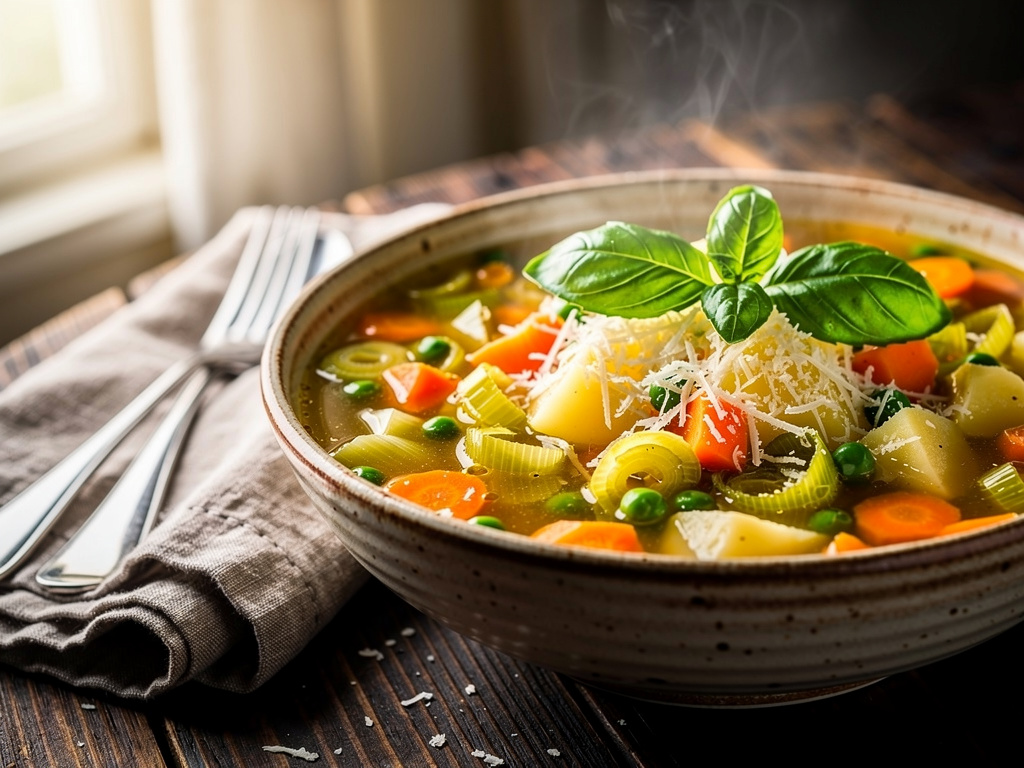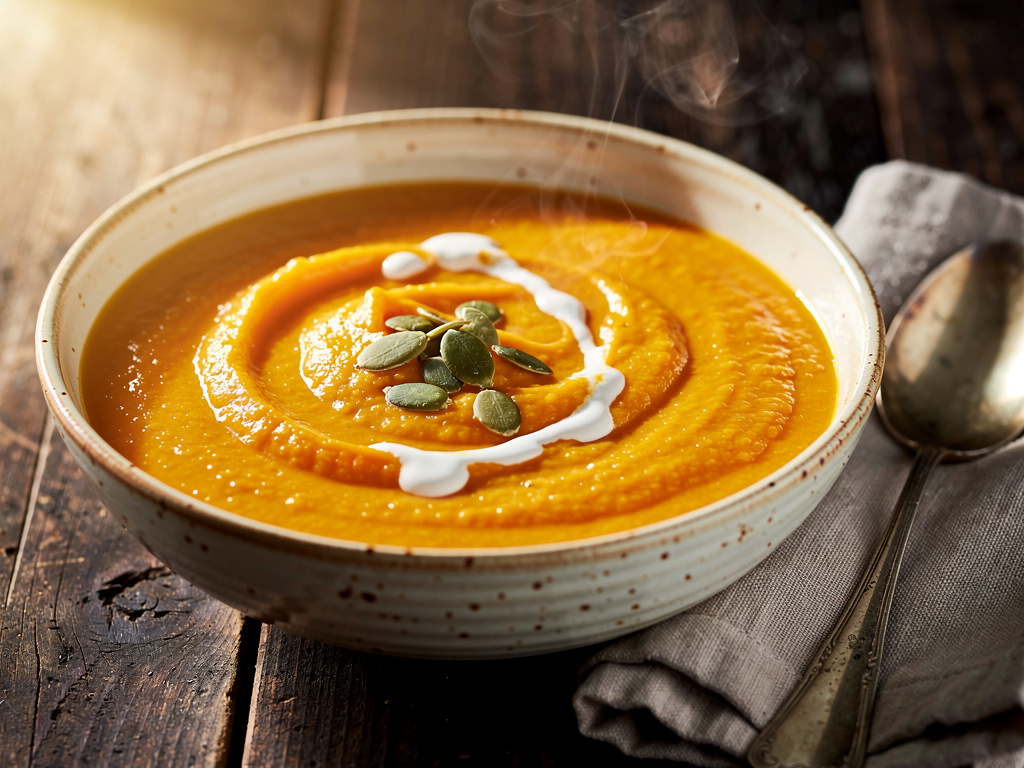
When autumn arrives and the air turns crisp, few things comfort the soul quite like a bowl of perfectly crafted squash soup. This butternut and acorn squash vegetable soup transforms humble winter squashes into liquid gold, combining their natural sweetness with the unexpected brightness of fresh apple and the earthy warmth of sage. The magic happens during the caramelization process, where patience rewards you with deep, complex flavors that make this soup utterly irresistible.
This recipe celebrates the marriage of traditional fall flavors with sophisticated technique, creating a soup that's both rustic and refined. The combination of two different squashes isn't just for show – butternut brings silky sweetness while acorn adds nutty depth, creating layers of flavor that single-squash soups simply can't achieve. The addition of maple syrup and nutmeg elevates this from simple vegetable soup to a restaurant-quality creation that will have your guests asking for the recipe.
The Secret to Perfect Caramelization
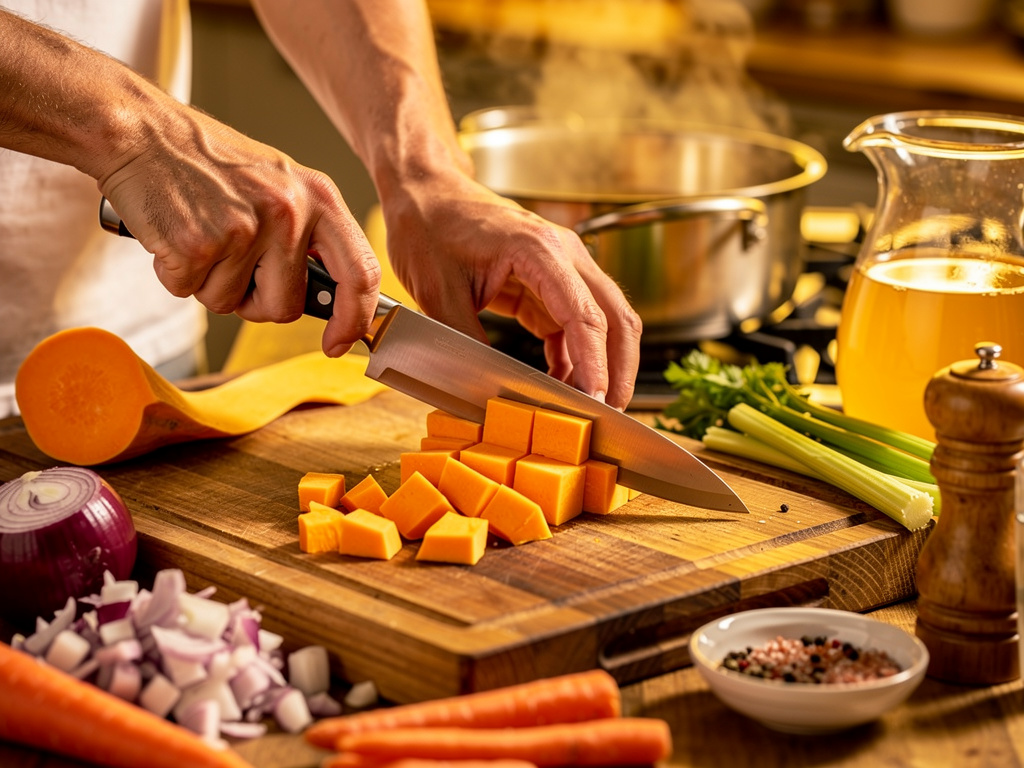
The foundation of this soup's incredible flavor lies in the caramelization process, which transforms ordinary vegetables into flavor powerhouses. When you cook the onions until caramelized, you're not just softening them – you're breaking down their natural sugars and creating hundreds of new flavor compounds. This process typically takes 15-20 minutes of patient stirring, but the deep, sweet complexity it adds to your soup is absolutely worth the extra time. The key is maintaining medium-low heat and resisting the urge to rush. Properly caramelized onions should be golden brown and jammy, not burnt or crispy. This same caramelization magic happens with your squash pieces when they're roasted or sautéed before adding the broth, creating a depth that sets this soup apart from basic pureed squash recipes.
Key Ingredients & What Makes Them Special
The butternut and acorn squash duo creates this soup's signature complexity. Butternut squash is naturally higher in beta-carotene and has a sweeter, more delicate flavor that creates the soup's silky base. Its flesh breaks down beautifully when cooked, creating that luxurious, velvety texture we crave in squash soups. Acorn squash, on the other hand, brings a nuttier, more robust flavor with subtle hints of pepper and honey. Its slightly firmer texture adds body and prevents the soup from becoming too thin or one-dimensional.
The fresh apple might seem like an unusual addition, but it serves multiple purposes beyond just sweetness. Apples contain natural pectin, which helps thicken the soup slightly and creates a more satisfying mouthfeel. They also add bright acidity that balances the earthiness of the squashes and prevents the soup from becoming too heavy or cloying. Choose a variety like Honeycrisp or Gala that holds its shape well and won't turn to mush during cooking. The sage and nutmeg combination creates warmth without overwhelming the delicate squash flavors – sage's earthy, slightly pine-like notes complement the nuttiness of acorn squash, while nutmeg adds that essential autumn spice warmth.
Pro Tips for the Best Results
- Pre-roast your squash pieces at 425°F for 15 minutes before adding them to the pot – this extra caramelization step adds incredible depth and prevents watery soup
- Use fresh sage, not dried – add it during the last 5 minutes of cooking to preserve its bright, herbaceous flavor that dried sage simply can't provide
- Taste and adjust the maple syrup gradually – different squashes have varying levels of natural sweetness, so start with just a tablespoon and build up to balance the flavors
- Blend in stages if using an immersion blender – partially blend for rustic texture, or fully blend and strain through a fine-mesh sieve for restaurant-smooth consistency
- Reserve some vegetable broth for thinning – the soup will thicken as it cools, so having extra warm broth on hand lets you adjust consistency perfectly before serving
Variations & Substitutions
For those following specific dietary needs, this soup adapts beautifully. Coconut milk can replace some of the vegetable broth for a richer, dairy-free version that adds tropical undertones. Vegan cooks can substitute agave or date syrup for maple syrup, though maple's distinctive flavor really shines here. If acorn squash isn't available, delicata or kabocha squash make excellent substitutes, each bringing their own unique flavor profile. For a protein boost, white beans or chickpeas blend seamlessly into the soup, while a swirl of Greek yogurt or crème fraîche adds tangy richness for non-vegan versions. Spice lovers can add a pinch of cayenne or smoked paprika, while those preferring milder flavors can increase the apple content for natural sweetness.
Serving Suggestions
This soup pairs beautifully with crusty sourdough bread or homemade biscuits for dipping. For an elegant presentation, garnish with toasted pumpkin seeds, a drizzle of good olive oil, and fresh sage leaves. The soup's natural sweetness complements sharp cheeses wonderfully – try serving alongside a grilled cheese made with aged cheddar or gruyère. For a complete autumn meal, pair with roasted Brussels sprouts or a simple arugula salad with dried cranberries and walnuts. The soup also makes an excellent starter for holiday meals, served in small portions before roasted meats or vegetarian main courses.
Storage & Make-Ahead Tips
This soup actually improves with time, making it perfect for meal prep or entertaining. Store covered in the refrigerator for up to 5 days, or freeze in portion-sized containers for up to 3 months. When reheating, add a splash of vegetable broth or water to restore the perfect consistency, as the soup naturally thickens when cold. For make-ahead entertaining, prepare the soup completely up to 2 days in advance, then gently reheat while preparing your garnishes. The flavors meld beautifully overnight, creating an even more cohesive and delicious soup. If freezing, leave room for expansion in containers and thaw overnight in the refrigerator before reheating slowly on the stovetop.
Squash Vegetable Soup
Nutrition per serving
Ingredients
Instructions
- .
- .
- .
- .
More Vegetable Soups Recipes
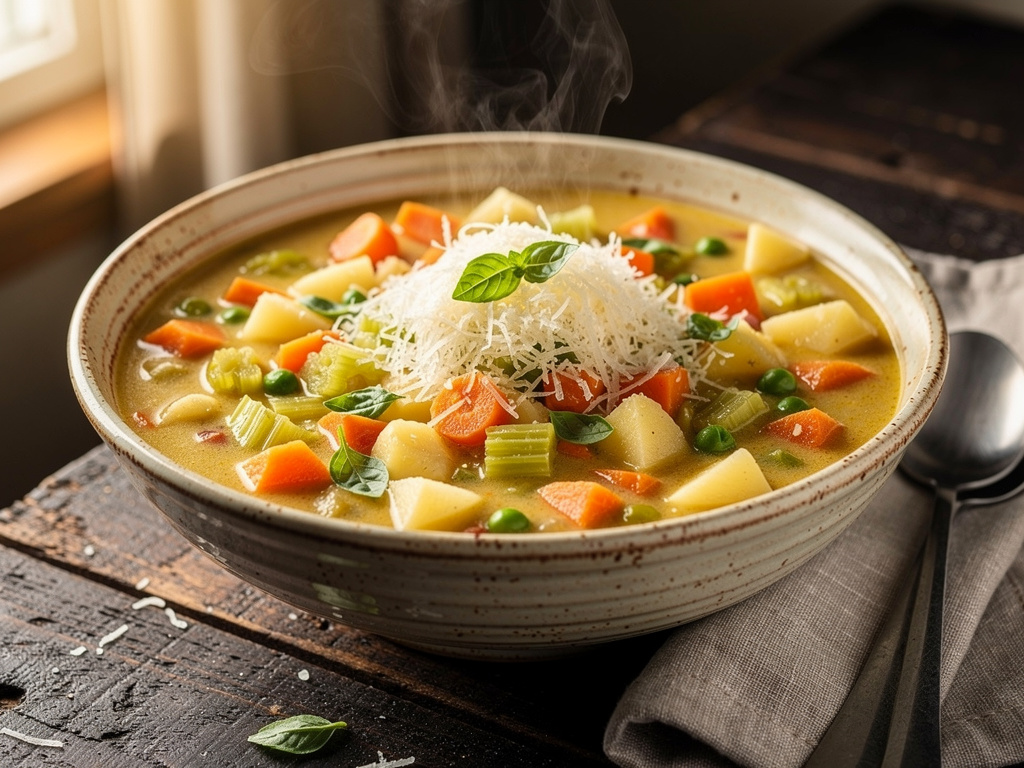
Cheese Soup with Vegetables
A nutritious soup combining creamy melted cheese with a rainbow of fresh vegetables. Comfort food th...
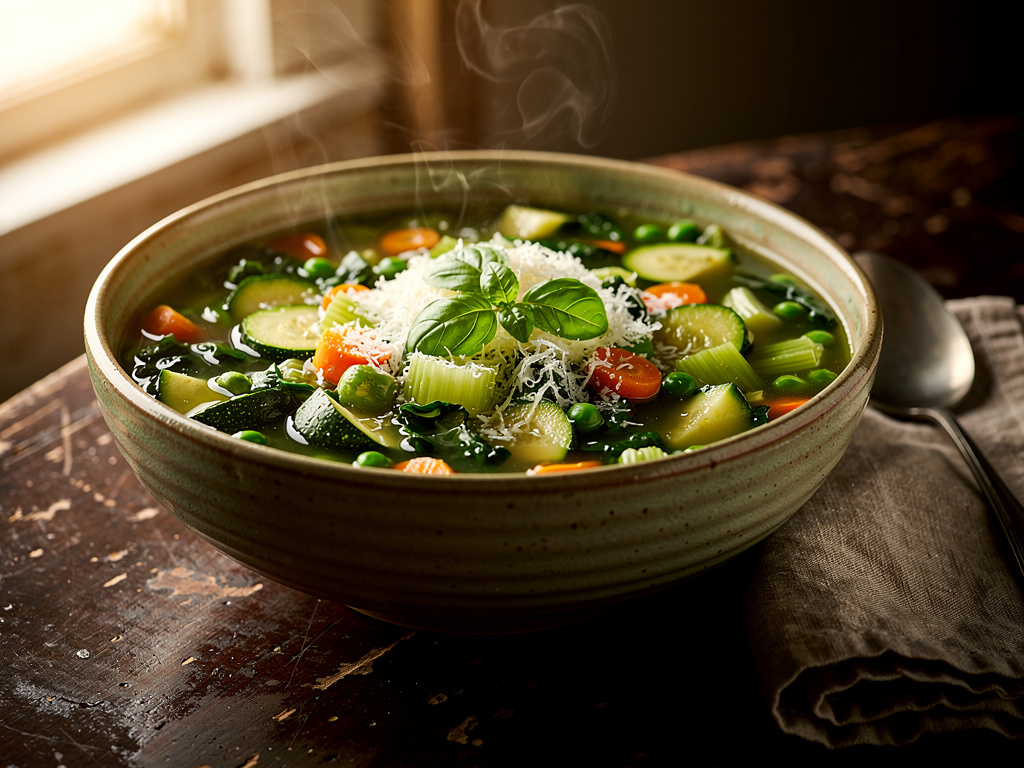
Green Vegetable Soup
Vibrant, nutrient-packed soup with spinach, kale, broccoli, zucchini, and peas. Brightened with lemo...