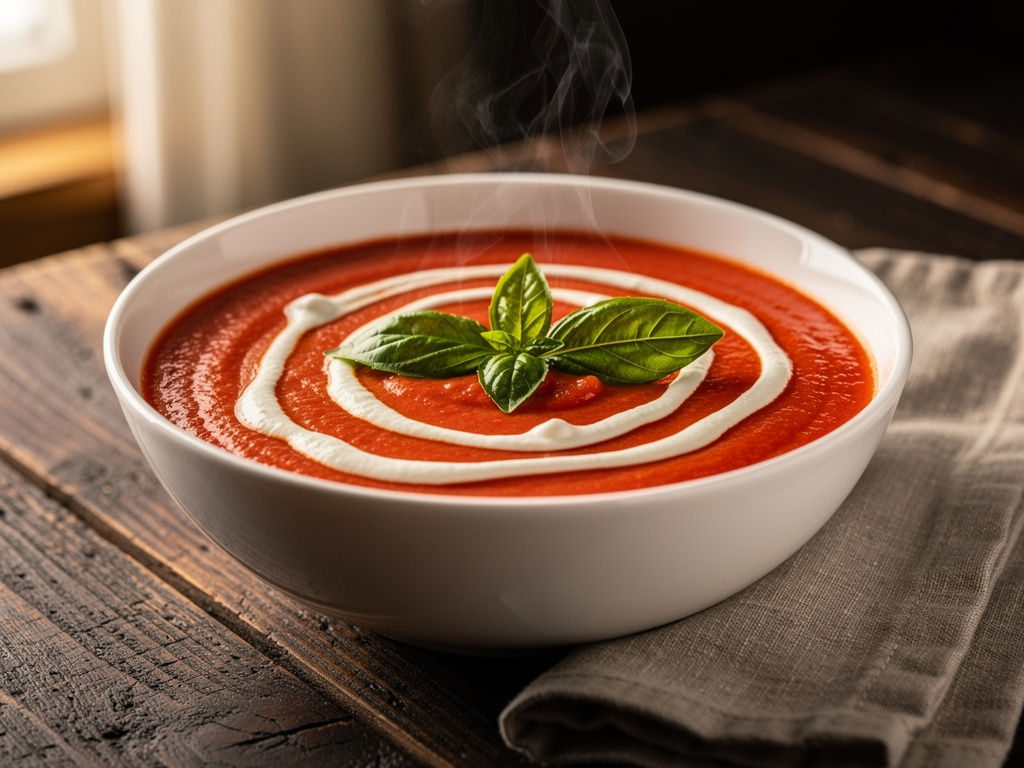
There's something magical about a soup that requires no heat yet delivers maximum flavor, and Spanish gazpacho is precisely that culinary marvel. This vibrant, ruby-red elixir transforms humble summer vegetables into a refreshing masterpiece that's been cooling down Andalusian afternoons for centuries. With its silky texture achieved through careful blending and the bright tang of sherry vinegar cutting through rich olive oil, this gazpacho represents the very essence of Spanish summer cooking – simple ingredients elevated through time-honored technique.
Born in the sun-scorched fields of southern Spain, gazpacho began as humble peasant fare – a way for field workers to stay nourished and hydrated during brutal summer harvests. The inclusion of day-old bread isn't just practical thrift; it's the secret to achieving that signature velvety consistency that distinguishes authentic gazpacho from mere vegetable juice. This particular recipe honors those traditional roots while embracing the peak-season produce that makes gazpacho truly shine, creating a soup that's both historically grounded and utterly contemporary in its clean, bright flavors.
The Bread Factor: Your Secret to Silky Perfection
While many modern gazpacho recipes skip the bread entirely, this traditional element is what transforms your soup from watery to wonderful. The day-old crusty bread, once soaked and blended, acts as a natural emulsifier and thickener, creating that luxurious mouthfeel that makes gazpacho so satisfying. The bread's starches bind with the olive oil during blending, much like a mayonnaise, resulting in a cohesive, creamy texture that coats your spoon. Don't worry about the bread flavor overwhelming your vegetables – it virtually disappears, leaving only its textural magic behind. This technique, called "ajo blanco" in its white gazpacho cousin, proves that Spanish cooks have long understood the science of emulsification, centuries before modern culinary schools began teaching it.
Key Ingredients & What Makes Them Special
The foundation of exceptional gazpacho lies in your tomatoes – and not just any tomatoes will do. You need those heavy, juice-laden beauties that practically burst when you pick them up, preferably varieties like beefsteak or brandywine that offer both sweetness and acidity. The two-pound requirement ensures you have enough concentrated tomato flavor to carry the entire soup, while their natural glutamates provide that satisfying umami depth. Your English cucumber brings more than just cool crunch; its high water content helps achieve the proper consistency while its mild flavor won't compete with the tomatoes. Unlike regular cucumbers, English varieties have fewer seeds and thinner skins, preventing any bitter notes from infiltrating your soup.
The sherry vinegar is absolutely non-negotiable – this isn't the place for generic white vinegar or even balsamic. True Spanish sherry vinegar, aged in wooden barrels, contributes a complex nuttiness and gentle acidity that brightens every spoonful without overwhelming the delicate vegetable flavors. Its sweetness balances the tomatoes' natural acidity, while its depth adds layers that keep each sip interesting.
Pro Tips for the Best Results
- Chill everything before blending: Start with cold vegetables and even chill your blender pitcher – this prevents the soup from becoming warm during the extended blending process
- Blend in stages: Don't dump everything in at once; start with the soaked bread and garlic, then add vegetables gradually for the smoothest possible texture
- Stream that olive oil slowly: Just like making mayonnaise, adding the oil too quickly will break your emulsion, leaving you with separated, oily soup
- Strain for ultimate refinement: Push the blended mixture through a fine-mesh sieve for restaurant-quality smoothness, discarding any stubborn vegetable bits
- Season after chilling: Cold temperatures dull flavors, so taste and adjust seasoning just before serving, not immediately after blending
Variations & Substitutions
While purists might protest, gazpacho adapts beautifully to dietary needs and seasonal availability. For a lighter version, reduce the bread to half a slice or substitute with soaked almonds for richness without gluten. Watermelon gazpacho swaps half the tomatoes for cubed watermelon, creating a sweeter, more summery variation that's absolutely stunning served in chilled bowls. Those avoiding nightshades can create a green gazpacho using cucumbers, green grapes, and fresh herbs like basil or mint. For extra richness, some cooks add a quarter avocado, which provides creaminess while maintaining the soup's fresh character. If sherry vinegar proves elusive, substitute with champagne vinegar plus a tiny splash of dry sherry.
Serving Suggestions
Gazpacho shines brightest when served ice-cold in chilled bowls, accompanied by an array of colorful garnishes that add textural contrast. Traditional toppings include diced cucumber, bell pepper, and tomato, along with golden croutons made from that same crusty bread. A drizzle of your finest extra virgin olive oil adds richness, while a sprinkle of smoked paprika provides gentle heat and gorgeous color. For entertaining, consider serving gazpacho in shot glasses as an elegant appetizer, or pair it with grilled seafood for a complete Spanish-inspired meal. Crusty bread, Manchego cheese, and Marcona almonds create an authentic tapas spread that complements the soup's bright flavors perfectly.
Storage & Make-Ahead Tips
Gazpacho actually improves with time, making it an ideal make-ahead dish for summer entertaining. The flavors meld and intensify over 24 hours, reaching peak deliciousness on the second day. Store covered in the refrigerator for up to four days, but always stir well before serving as natural separation occurs. The soup can be frozen for up to three months, though the texture may become slightly less silky upon thawing. For best results, freeze in individual portions and thaw overnight in the refrigerator. Remember to prepare garnishes separately and add just before serving to maintain their fresh crunch and vibrant colors.
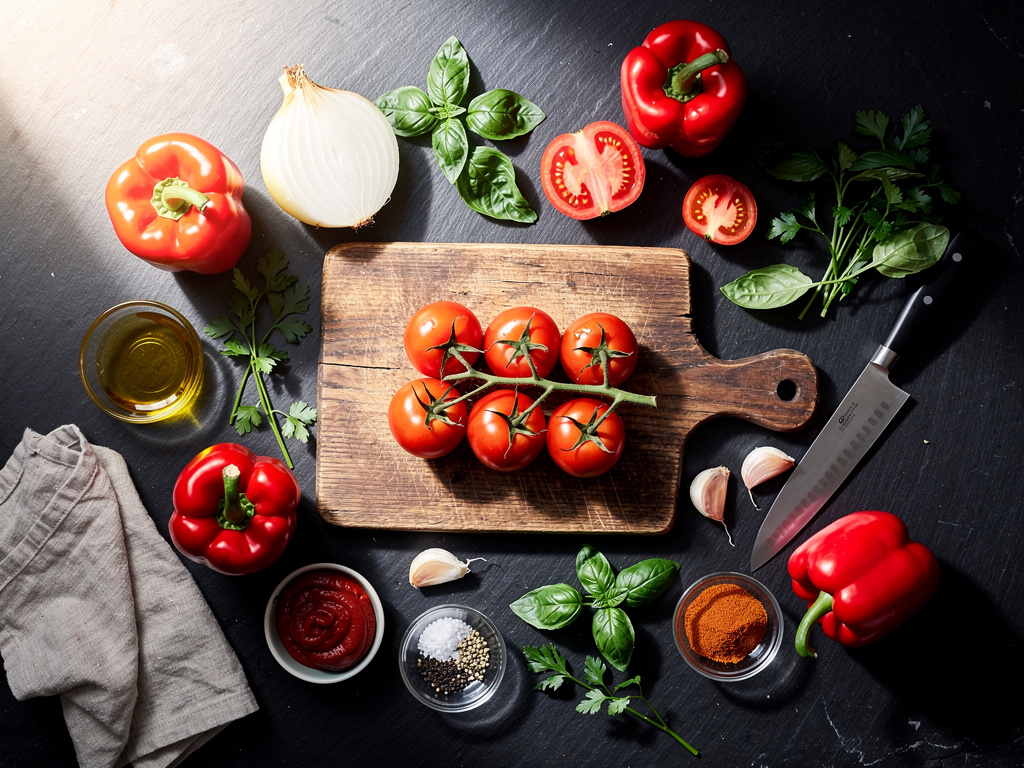
Spanish Tomato Soup (Gazpacho)
Refreshing chilled Spanish tomato soup with ripe tomatoes, cucumber, and sherry vinegar. No-cook summer perfection.
Nutrition per serving
Ingredients
Instructions
- . Soak bread in 1/4 cup water for 5 minutes until softened.
- . Add tomatoes, cucumber, bell pepper, onion, garlic, and soaked bread to a blender. Blend until smooth.
- . With blender running, slowly stream in olive oil until emulsified.
- . Add sherry vinegar, salt, and pepper. Blend briefly to combine. Taste and adjust seasoning.
- . Strain through a fine-mesh sieve for silky texture (optional). Refrigerate at least 2 hours. Serve chilled with garnishes.
Recipe Notes
- Only make gazpacho with peak-season, ripe tomatoes
- Chilling time allows flavors to meld—overnight is ideal
- Taste and adjust salt just before serving—cold soups need more seasoning
More Spanish Tomato Soup Recipes
Fresh Tomato Soup
Bright, vibrant tomato soup made with ripe summer tomatoes, fresh basil, and quality olive oil. The ...
Heirloom Tomato Soup
Gourmet heirloom tomato soup that celebrates peak-season produce with minimal ingredients, letting t...
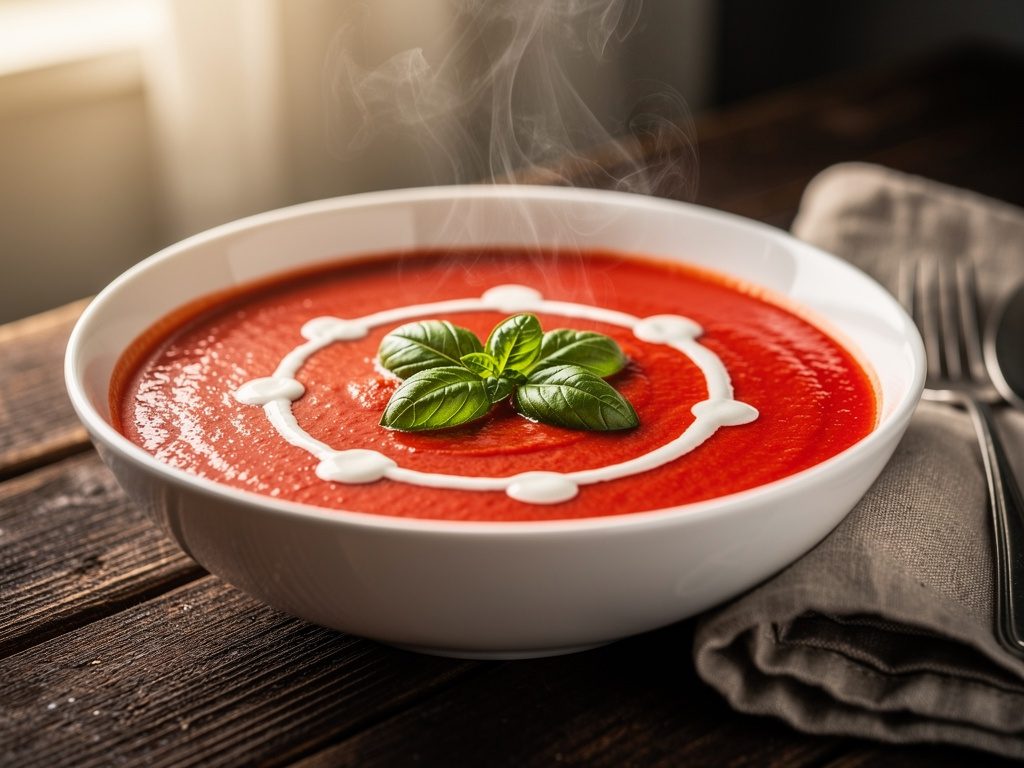
Italian Tomato Soup
Rustic Italian tomato soup made with San Marzano tomatoes, fresh basil, garlic, and quality olive oi...