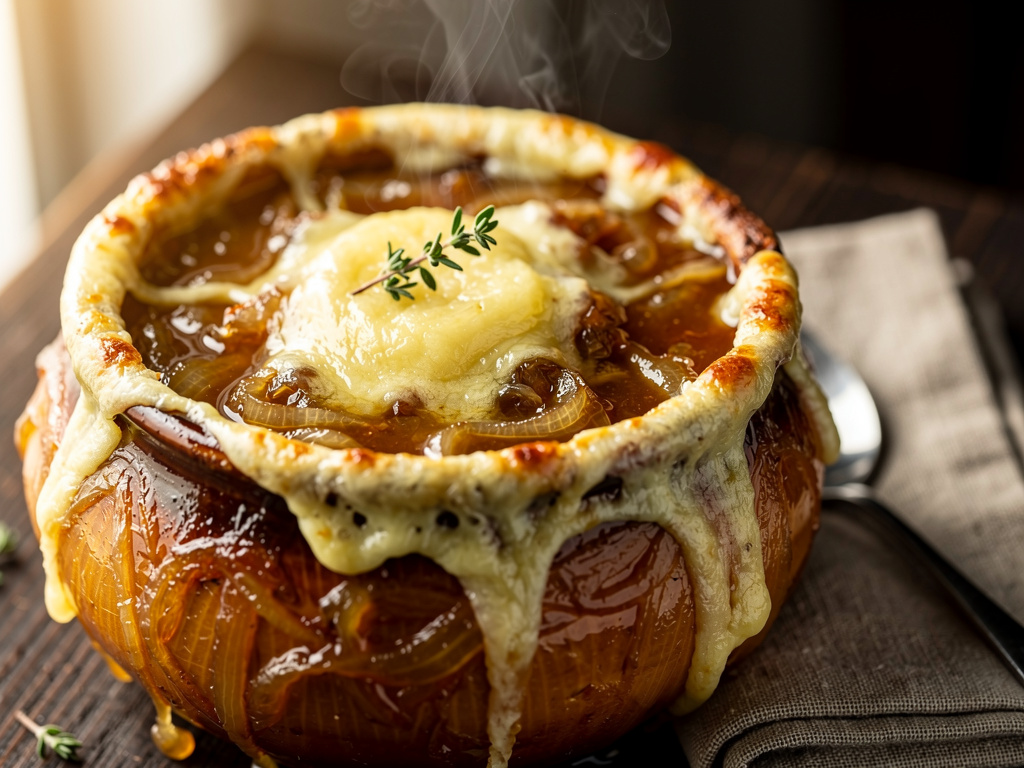
While French onion soup often steals the spotlight, Spain's humble Sopa de Cebolla deserves equal recognition for its soul-warming simplicity and distinctive character. This Castilian comfort food transforms the most basic pantry staples—onions, bread, and eggs—into a deeply satisfying meal that has sustained Spanish families for generations. Unlike its cheese-laden French cousin, Spanish onion soup celebrates the pure, concentrated sweetness of slowly cooked onions enhanced by the smoky warmth of pimentón and enriched with silky poached eggs.
Originating in the rural regions of Castile, this rustic soup emerged from necessity during harsh winters when fresh vegetables were scarce but onions stored well in cellars. Spanish cooks discovered that patience and paprika could transform these humble ingredients into liquid gold. The addition of day-old bread wasn't just economical—it created a unique texture that distinguishes this soup from any other onion-based broth. Today, Sopa de Cebolla remains a beloved comfort food that showcases Spain's genius for creating extraordinary dishes from ordinary ingredients.
The Magic of Slow-Cooked Onions with Pimentón
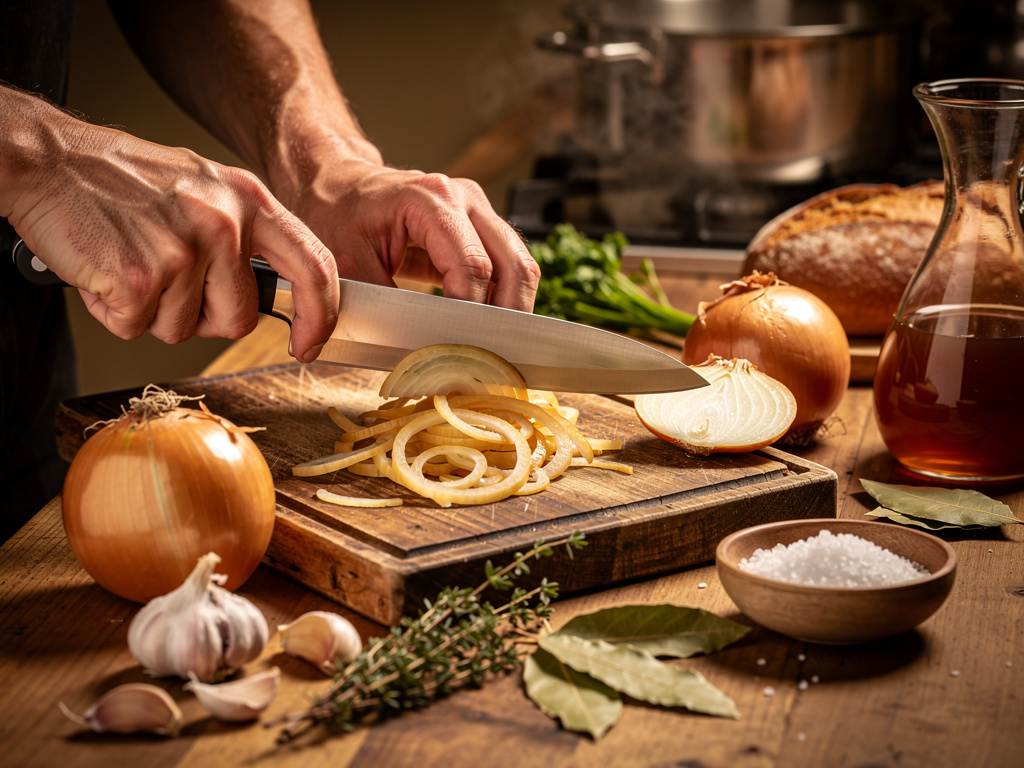
The heart of exceptional Spanish onion soup lies in the patient caramelization of three pounds of onions with smoked paprika. This isn't just about cooking onions until soft—it's about developing complex layers of flavor through the Maillard reaction. When Spanish onions meet the gentle heat of extra virgin olive oil, their natural sugars begin to concentrate and caramelize, creating deep amber colors and intensely sweet flavors. The addition of pimentón dulce (sweet smoked paprika) during this process is crucial, as it infuses the onions with Spain's signature smoky essence while the onions are still releasing moisture, allowing the spice to bloom fully and integrate seamlessly.
Key Ingredients & What Makes Them Special
Spanish Onions: These large, sweet onions are ideal for this soup because of their high sugar content and mild flavor. When cooked slowly, they break down into silky strands that practically dissolve into the broth, creating natural thickness without any flour or cream. Their size also means fewer onions to peel and slice for the required volume.
Pimentón (Smoked Paprika): This isn't just any paprika—Spanish pimentón is made from peppers that are slowly smoked over oak fires, creating a distinctive flavor that's impossible to replicate. The sweet variety used in this recipe adds warmth without heat, infusing the entire soup with Spain's characteristic smoky depth that makes it instantly recognizable as authentically Spanish.
Day-Old Crusty Bread: Fresh bread would turn to mush, but day-old bread maintains enough structure to thicken the soup while softening to a perfect, slightly chewy consistency. This technique, common in Spanish cuisine, transforms what might otherwise be waste into a crucial textural component that makes the soup more substantial and satisfying.
Pro Tips for the Best Results
- Cook the onions low and slow: Resist the urge to rush the caramelization process. Medium-low heat for 20-25 minutes allows the onions to develop maximum sweetness without burning the paprika.
- Add paprika early: Bloom the pimentón with the onions rather than adding it later, which allows the smoky flavors to penetrate deeply and prevents the spice from tasting raw or dusty.
- Create wells for the eggs: Use a spoon to make indentations in the bread-thickened soup before cracking in the eggs, which helps them stay in place and cook evenly.
- Control the egg doneness: Cover the pot during the final minutes if you prefer firmer yolks, or leave uncovered for runnier eggs that create a luxurious richness when mixed into the soup.
- Taste and adjust salt carefully: Since the chicken broth and bread both contain sodium, add salt gradually and taste frequently to avoid over-seasoning.
Variations & Substitutions
For a vegetarian version, substitute vegetable broth for chicken broth and ensure your bread doesn't contain animal products. The soup will be lighter but still deeply flavorful. Those avoiding eggs can skip them entirely—the bread-thickened broth is satisfying on its own. If Spanish onions aren't available, sweet yellow onions work well, though you might need to cook them slightly longer to achieve the same level of caramelization. For a richer version, some regions add a splash of dry sherry during the last few minutes of cooking, which complements the sweet onions beautifully.
Serving Suggestions
Serve this soup as a light dinner with a simple green salad dressed in sherry vinegar and olive oil, or as a starter before grilled fish or roasted chicken. The soup pairs wonderfully with Spanish wines—try it with a crisp Albariño or a light Tempranillo. For a more substantial meal, serve alongside Manchego cheese and Marcona almonds, or with a selection of Spanish olives and crusty bread for dipping.
Storage & Make-Ahead Tips
This soup actually improves overnight as flavors meld and deepen. Store the soup without the eggs in the refrigerator for up to three days—simply reheat gently and add fresh eggs during the final cooking stage. The soup can also be frozen for up to three months, though you'll need to add fresh bread when reheating as the original pieces will have completely dissolved. For meal prep, consider making a double batch of the onion base and freezing portions, then adding broth, bread, and eggs when ready to serve for an almost-instant comfort meal.
Spanish Onion Soup
A traditional Castilian soup (Sopa de Cebolla) featuring paprika and crusty bread. Rustic Spanish comfort.
Nutrition per serving
Ingredients
Instructions
- . Cook onions with paprika.
- . Add broth and bread.
- . Simmer until bread softens.
- . Poach eggs in soup. Serve.
Recipe Notes
- Traditional method: Bake individual crocks until eggs set.
- Add ham: Serrano or jamón adds Spanish authenticity.
- Skip eggs: Still delicious without them.
- Storage: Soup base keeps 4 days. Add eggs when serving.
More Onion Soups Recipes
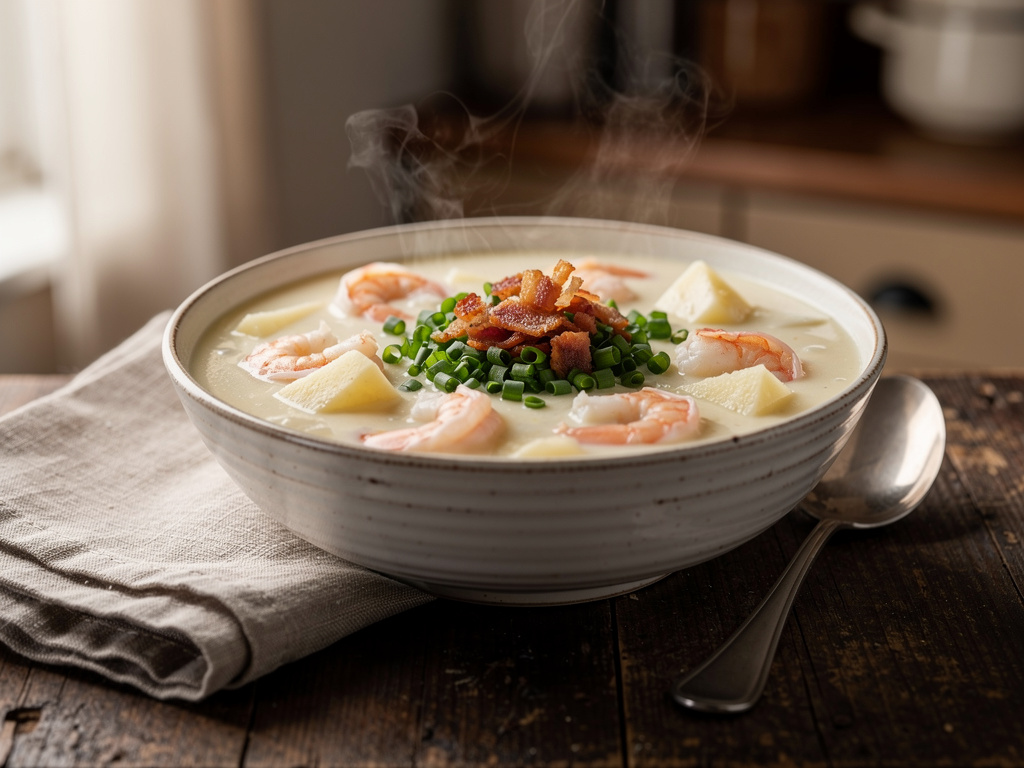
Saffron Potato Soup with Prawns
Luxurious Spanish-inspired soup with saffron-infused potatoes and succulent king prawns. Golden, aro...
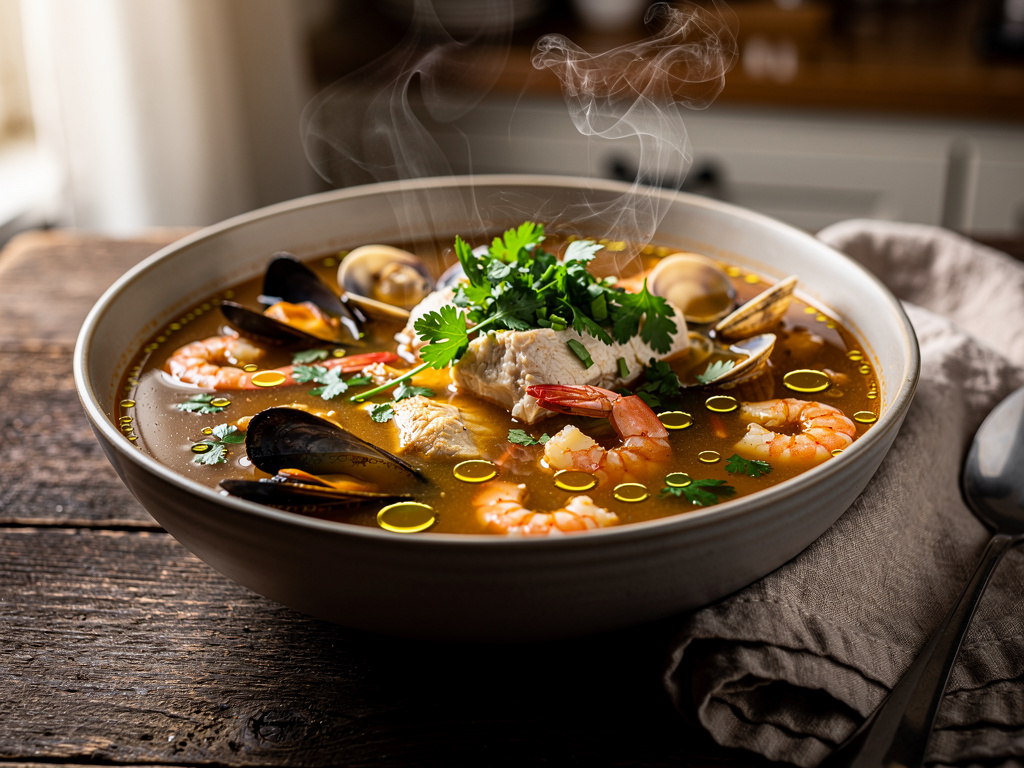
Sopa de Mariscos (Spanish Seafood Soup)
Traditional Spanish seafood soup with saffron-infused fish stock, white fish, prawns, squid, fresh t...
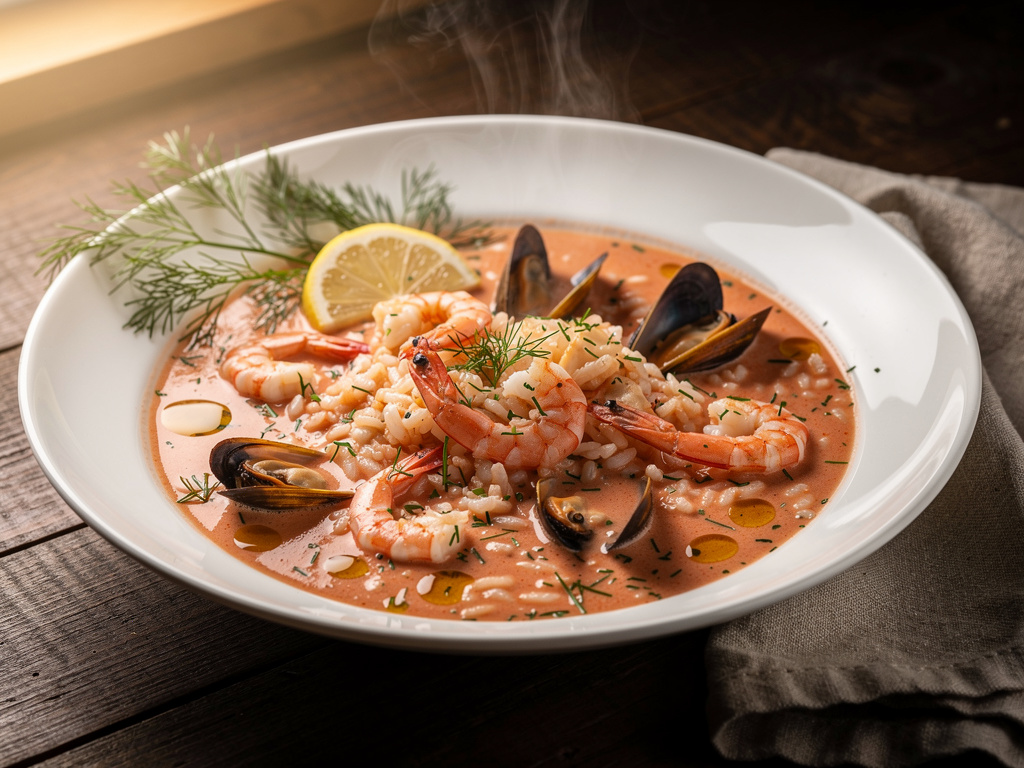
Sopa de Arroz y Pescado (Spanish Seafood Rice Soup)
Authentic Spanish seafood and rice soup with salmon, prawns, squid, and chorizo in a rich tomato bro...