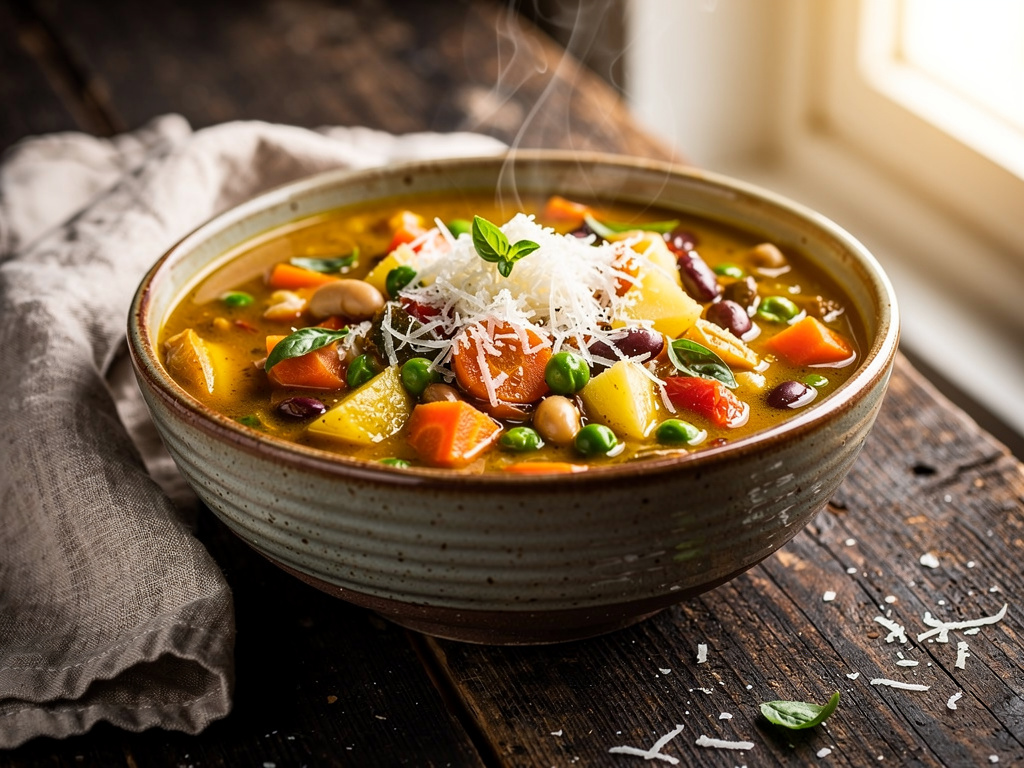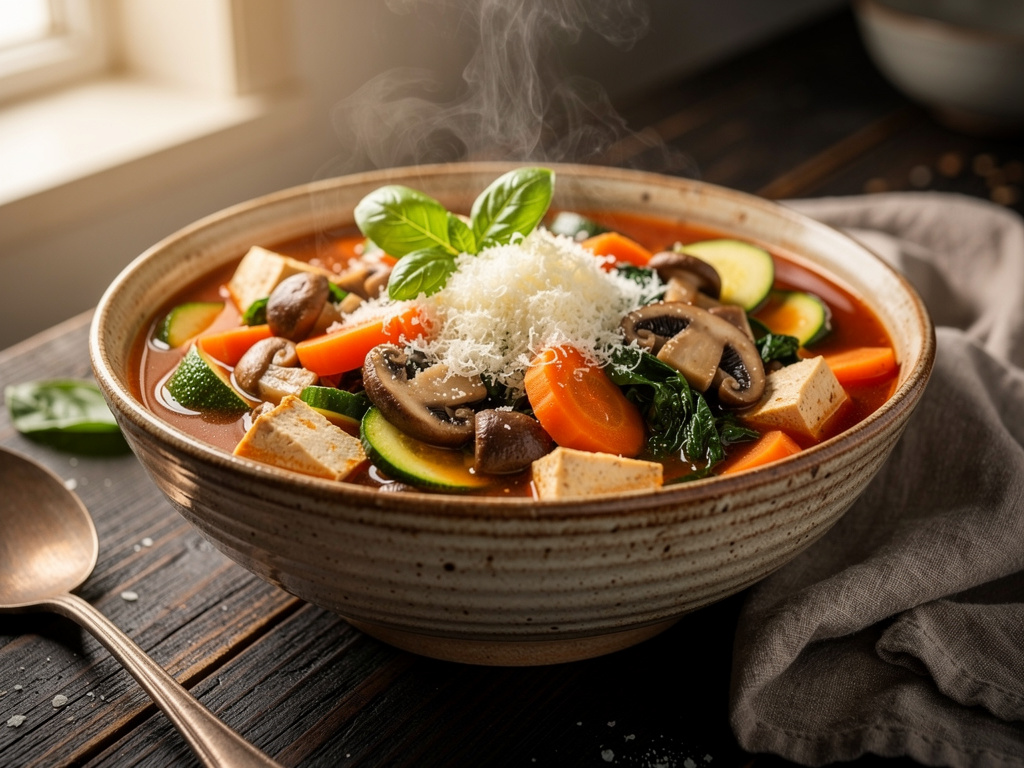
There's something magical about a steaming bowl of Korean vegetable soup that instantly transports you to cozy Seoul kitchens and bustling neighborhood restaurants. This comforting Korean vegetable soup combines the umami-rich depths of traditional Korean flavors with fresh, wholesome vegetables that'll warm your soul from the inside out. Whether you're craving authentic Korean comfort food or looking for a healthy, satisfying meal, this soup delivers on all fronts.
What makes this Korean vegetable soup truly special is its perfect balance of tangy kimchi, earthy doenjang (soybean paste), and fresh vegetables simmered in a savory anchovy broth. The result? A deeply flavorful soup that's both nourishing and incredibly satisfying. At just 115 calories per serving with 5 grams of protein, it's the kind of guilt-free comfort food you can enjoy any day of the week. Plus, it comes together in just 35 minutes, making it perfect for busy weeknight dinners or lazy weekend lunches.
The beauty of Korean vegetable soup lies in its versatility and the way each ingredient contributes its own unique character to the final bowl. From the silky tofu to the crunchy bean sprouts and tender zucchini, every spoonful offers different textures and flavors that keep you coming back for more.
Why This Is the Best Korean Vegetable Soup
- Authentic flavor profile: Made with traditional Korean ingredients like doenjang, kimchi, and gochugaru, this soup delivers genuine Korean taste that rivals your favorite Korean restaurant
- Quick and easy preparation: Ready in just 35 minutes with simple techniques that anyone can master, even if you're new to Korean cooking
- Nutrient-dense and filling: Packed with vegetables, plant-based protein from tofu, and probiotics from kimchi, it's a complete meal in a bowl
- Customizable heat level: Adjust the gochugaru to your preference, from mild and family-friendly to fiery hot for spice lovers
- Budget-friendly ingredients: Uses affordable, accessible vegetables and pantry staples that won't break the bank
Key Ingredient Tips and Substitutions
The foundation of any great Korean vegetable soup starts with quality ingredients. Doenjang is the star player here – this fermented soybean paste adds incredible depth and umami that you simply can't replicate with other ingredients. If you can't find doenjang, miso paste makes an acceptable substitute, though the flavor will be slightly different. Look for doenjang at Korean grocery stores or order it online for the most authentic taste.
For the anchovy broth, you can make your own by simmering dried anchovies and kelp, or use store-bought Korean anchovy stock. In a pinch, vegetable broth works too, though you'll want to add a bit more doenjang to compensate for the lost umami. The kimchi should be well-fermented for the best flavor – the tangier, the better! If your kimchi is very fresh, let it ferment a bit longer or add a splash of kimchi juice.
When it comes to vegetables, zucchini is traditional and holds its shape beautifully, but you can substitute with Korean zucchini, yellow squash, or even daikon radish. Choose firm tofu for the best texture, and if you're not a fan of bean sprouts, try shredded cabbage or spinach instead.
Delicious Variations to Try
One of the best things about Korean vegetable soup is how easily you can customize it to suit your taste preferences or dietary needs. For a protein-packed version, add thin slices of beef, pork, or chicken during the last 10 minutes of cooking. Seafood lovers can stir in shrimp, scallops, or chunks of white fish for a delicious surf-and-turf twist.
Create a spicy fire soup by doubling the gochugaru and adding fresh sliced chili peppers or a spoonful of gochujang. For those who prefer milder flavors, reduce or omit the gochugaru entirely and let the kimchi provide the subtle heat. You can also make it heartier by adding cooked rice noodles, ramen noodles, or even leftover cooked rice directly to the soup.
For a seasonal variation, swap in whatever vegetables you have on hand – carrots, bell peppers, bok choy, or mushrooms all work beautifully. In winter, try adding chunks of sweet potato or kabocha squash for extra heartiness and natural sweetness.
Making It Completely Vegetarian
This Korean vegetable soup can easily be made completely vegetarian or vegan with a simple swap. Replace the anchovy broth with a robust vegetable broth or homemade mushroom stock for deep, savory flavor. You can boost the umami by adding a piece of dried kelp (dashima) while the soup simmers, then removing it before serving.
To ensure your soup is vegan-friendly, double-check that your kimchi is made without fish sauce or shrimp paste – many traditional recipes include these, but vegan versions are increasingly available. The tofu and doenjang are naturally plant-based, making this an excellent option for vegetarians and vegans who want to enjoy authentic Korean flavors.
Garnish and Serving Suggestions
The right garnishes can elevate your Korean vegetable soup from good to absolutely incredible. Traditional toppings include chopped green onions, a sprinkle of sesame seeds, and a drizzle of sesame oil for extra richness. For added texture and flavor, try crispy fried garlic, nori flakes, or a soft-boiled egg with a jammy yolk.
Serve your soup with steamed white or brown rice and an array of Korean banchan (side dishes) for a complete Korean meal experience. Pickled radish, seasoned spinach, or additional kimchi make excellent accompaniments. Don't forget to provide Korean metal chopsticks and spoons for the most authentic dining experience!
Storage and Make-Ahead Tips
This Korean vegetable soup actually tastes even better the next day as the flavors have time to meld and develop. Store leftovers in the refrigerator for up to 5-7 days in an airtight container. The soup freezes beautifully for up to 3 months, though the tofu texture may change slightly after freezing – still delicious, just a bit more crumbly.
For meal prep, you can prepare the broth base ahead of time and store it separately from the vegetables. When ready to eat, simply reheat the broth and add fresh vegetables for the last 15 minutes of cooking. This ensures your vegetables maintain their perfect texture and don't become mushy from reheating.
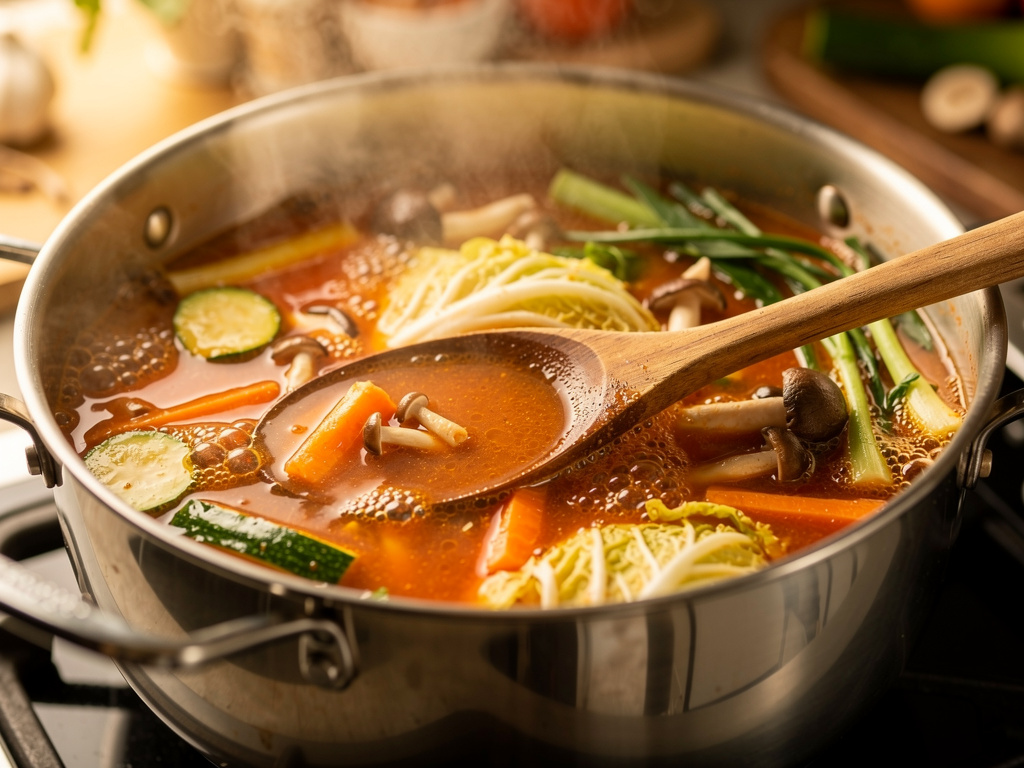
Korean Vegetable Soup
Nutrition per serving
Ingredients
Instructions
- .
- .
- .
- .
More Vegetable Soups Recipes
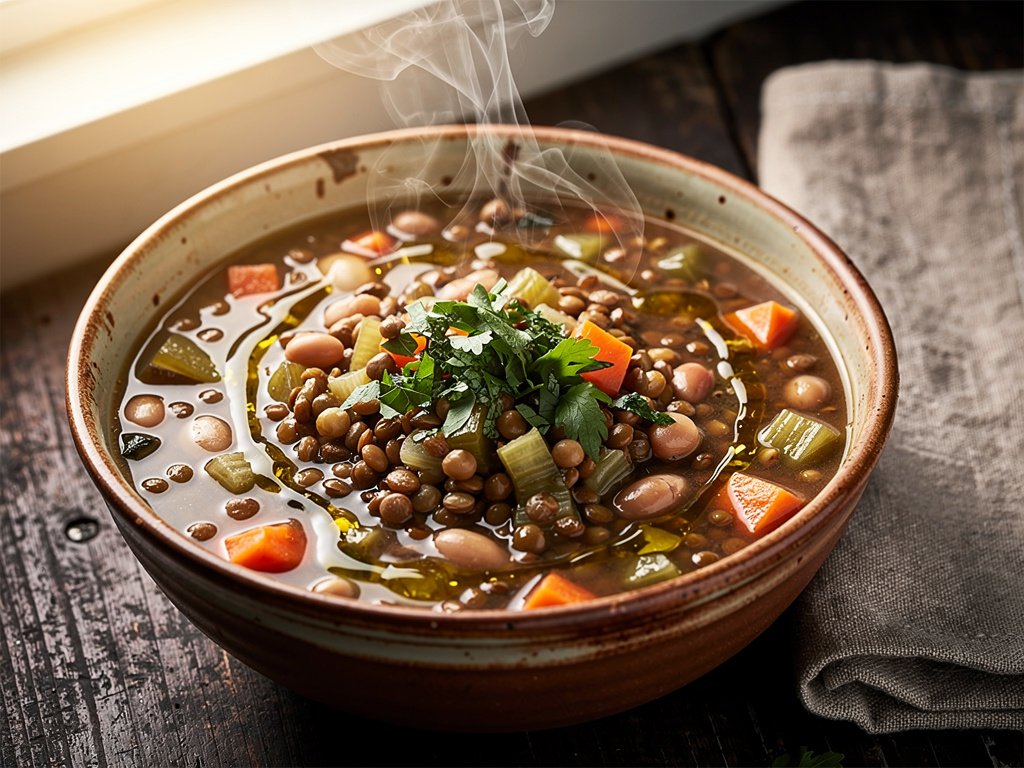
Vegetable Lentil Soup
Protein-packed vegetable soup with tender green lentils, carrots, celery, spinach, and warming spice...
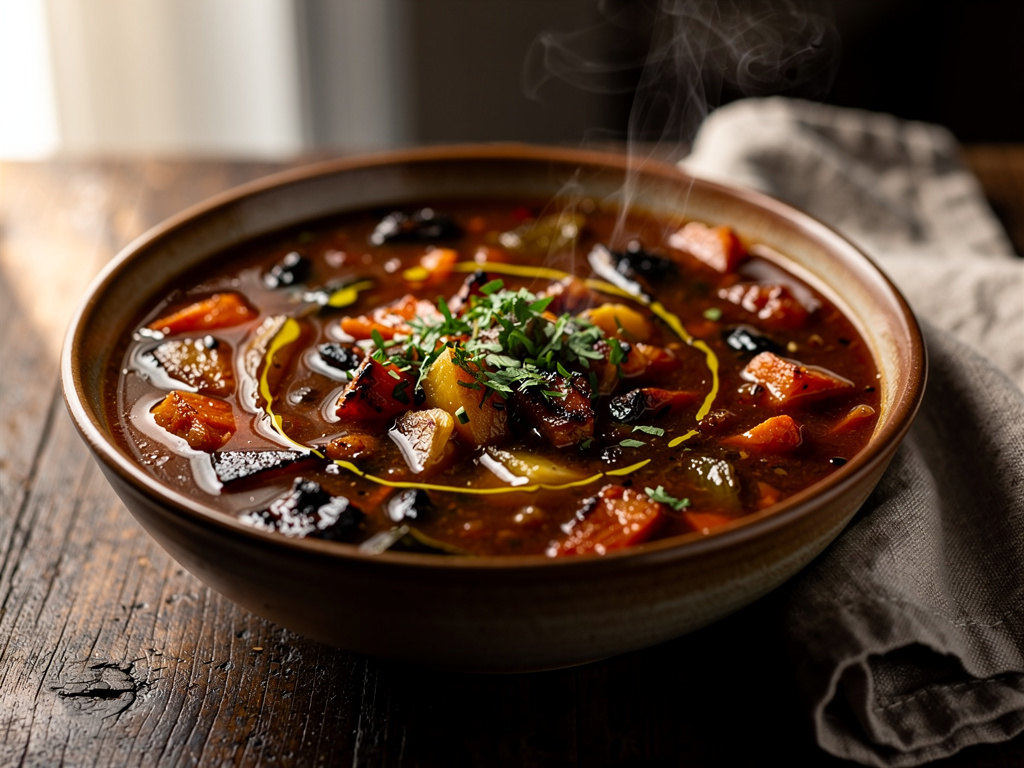
Roasted Vegetable Soup
Rich, deeply flavored soup made from oven-roasted vegetables. Caramelized complexity in every spoonf...