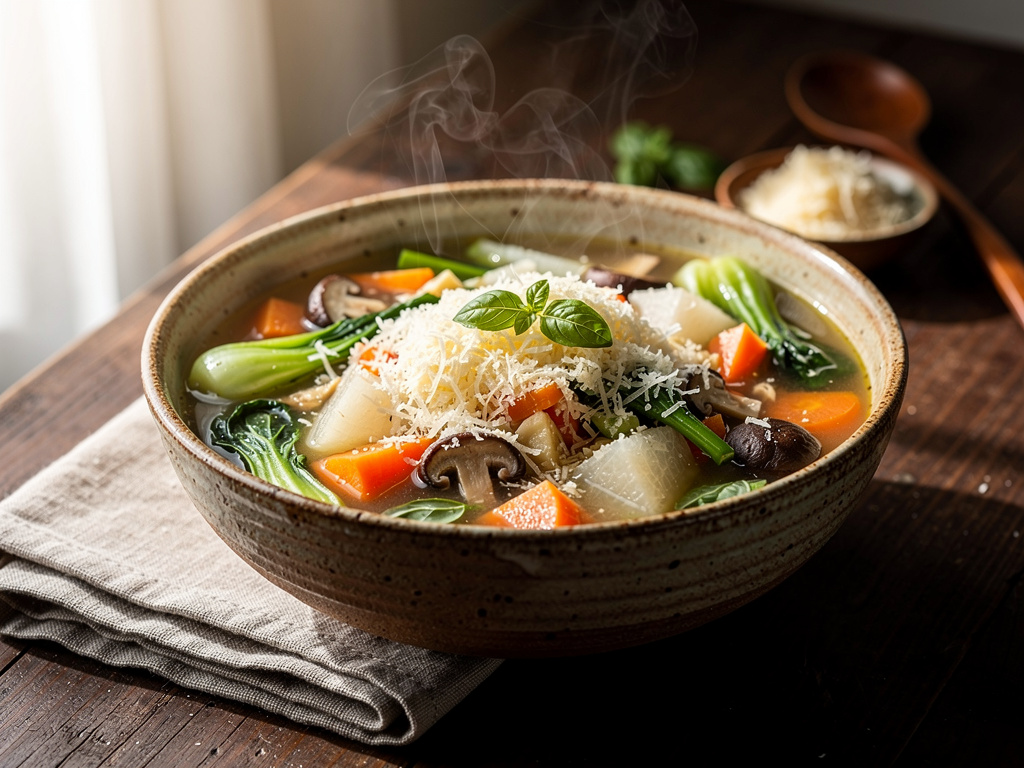
There's something truly magical about a steaming bowl of Japanese vegetable soup that warms both body and soul. This comforting dish brings together the delicate umami flavors of dashi broth with fresh, seasonal vegetables in a way that feels both nourishing and deeply satisfying. Unlike heavy Western soups, this Japanese-inspired creation is light yet incredibly flavorful, making it perfect for any season or time of day.
What makes this soup so special is its foundation of authentic dashi broth, which provides that distinctive savory depth that Japanese cuisine is famous for. Combined with silky white miso and an array of fresh vegetables like crisp bok choy, earthy shiitake mushrooms, and mild daikon radish, every spoonful delivers layers of complex flavors that dance on your palate. The addition of tender tofu adds protein while keeping this soup completely plant-based, making it an ideal choice for vegetarians and vegans alike.
Whether you're looking for a light lunch, a warming starter, or a healthy dinner option, this Japanese vegetable soup checks all the boxes. It's surprisingly quick to prepare, taking just 30 minutes from start to finish, yet tastes like it's been simmering for hours. The best part? It's incredibly versatile and forgiving, allowing you to customize it with whatever vegetables you have on hand.
Why This Is the Best Japanese Vegetable Soup
- Authentic dashi base: The secret to this soup's incredible depth lies in the traditional dashi broth, which infuses every ingredient with rich umami flavor that can't be replicated with regular vegetable stock
- Perfect vegetable combination: Each vegetable is carefully chosen for both flavor and texture - from the crisp bite of bok choy to the meaty satisfaction of shiitake mushrooms and the gentle sweetness of napa cabbage
- Quick and easy preparation: Despite its complex flavors, this soup comes together in just 30 minutes, making it perfect for busy weeknights or when you need something comforting fast
- Naturally healthy and light: At only 95 calories per serving with 4 grams of protein, this soup is incredibly nutritious without being heavy, leaving you satisfied but not sluggish
- Completely customizable: The basic recipe serves as a fantastic foundation that you can easily adapt based on your preferences, dietary needs, or whatever vegetables are in season
Key Ingredient Tips and Substitutions
The beauty of this Japanese vegetable soup lies in its flexibility. If you can't find daikon radish, regular radishes or even turnips work wonderfully as substitutes, providing that same mild, slightly peppery flavor. Fresh shiitake mushrooms are ideal for their meaty texture and earthy taste, but cremini or button mushrooms can step in when shiitakes aren't available.
For the dashi broth, you can certainly make your own from scratch using kombu and bonito flakes, but high-quality prepared dashi or even dashi powder works beautifully for weeknight cooking. If you're keeping this soup vegan, double-check that your dashi is made without bonito flakes - kombu-only dashi is completely plant-based and still delivers incredible flavor.
White miso paste is preferred for its delicate, sweet flavor that won't overpower the vegetables, but yellow miso can be substituted if that's what you have. Just use slightly less, as yellow miso tends to be more assertive. The key is to add the miso off the heat to preserve its beneficial probiotics and prevent it from becoming grainy.
Delicious Variations to Try
This soup is incredibly adaptable to different flavor profiles and dietary preferences. For a heartier version, add cooked soba or udon noodles in the last few minutes of cooking. If you want more protein, consider adding edamame, extra firm tofu cubes, or even thinly sliced tempeh.
To create a spicy version, stir in a teaspoon of miso paste mixed with chili garlic sauce or add a few drops of sesame oil infused with red pepper flakes. For those who enjoy more substantial vegetables, try adding cubed kabocha squash, sweet potato, or lotus root for different textures and flavors.
Seasonal variations work beautifully too - in spring, add fresh peas and asparagus; in summer, incorporate zucchini and corn; fall calls for mushroom varieties and root vegetables; while winter is perfect for heartier greens like kale or Swiss chard.
Perfect Garnishes and Serving Suggestions
The right garnishes can elevate this already delicious soup to restaurant quality. Fresh green onions are essential - their mild onion flavor and bright color provide the perfect finishing touch. Consider adding a sprinkle of toasted sesame seeds for crunch, or a drizzle of sesame oil for extra richness.
Serve this soup as a light meal with a side of steamed rice or as an appetizer before a larger Japanese-inspired meal. It pairs beautifully with onigiri (rice balls), a simple cucumber salad, or some lightly pickled vegetables. For a more substantial meal, serve alongside vegetable sushi rolls or a fresh salad with ginger dressing.
Storage and Make-Ahead Tips
This Japanese vegetable soup keeps beautifully in the refrigerator for up to a week when stored in an airtight container. The flavors actually develop and deepen over time, making leftovers even more delicious. When reheating, do so gently over medium-low heat to preserve the delicate flavors of the miso and vegetables.
For meal prep enthusiasts, this soup is a dream. You can prepare a large batch on Sunday and portion it out for healthy lunches throughout the week. If you plan to freeze portions, note that the tofu texture may change slightly, but the soup will still be delicious for up to three months. Just be sure to cool the soup completely before freezing and leave some room for expansion in your containers.
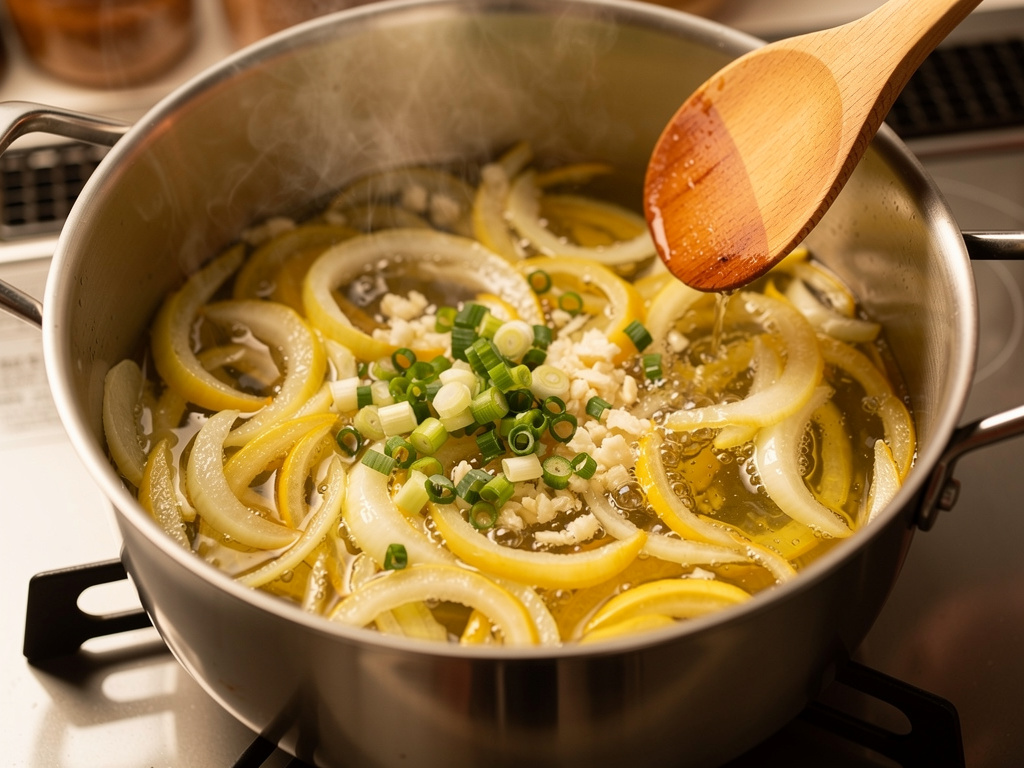
Japanese Vegetable Soup
Nutrition per serving
Ingredients
Instructions
- .
- .
- .
- .
More Vegetable Soups Recipes

Mexican Vegetable Soup
Spicy Mexican-inspired soup with black beans, corn, zucchini, and fresh cilantro. Bold Southwestern ...
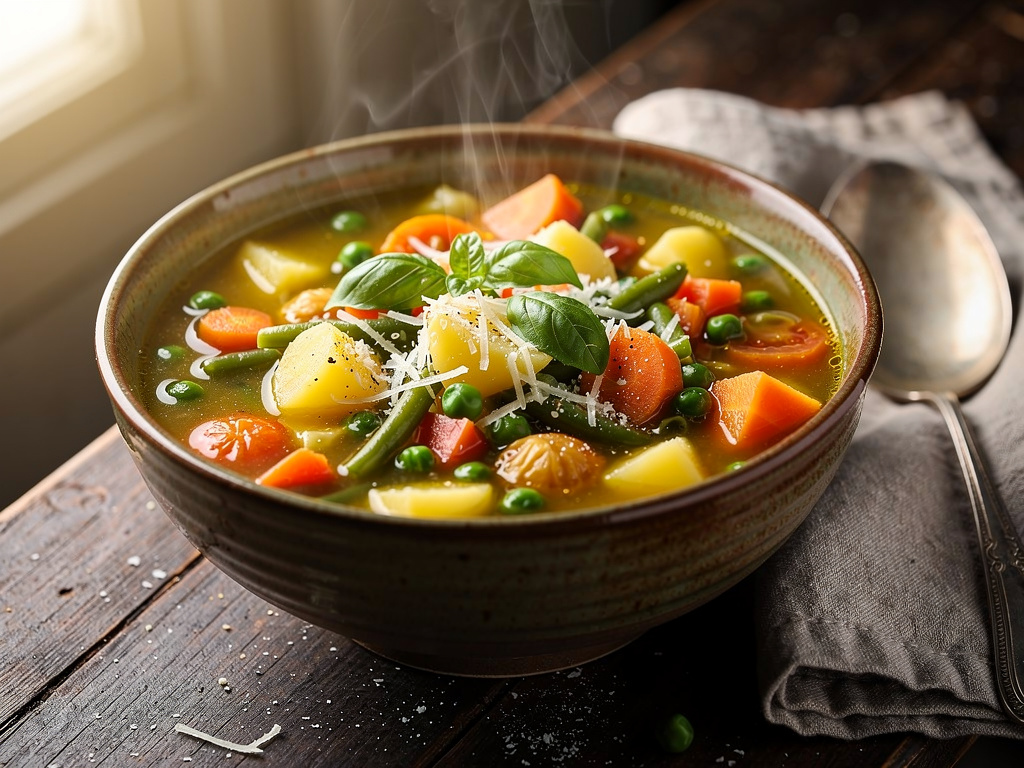
Farmhouse Vegetable Soup
Rustic, hearty soup with potatoes, carrots, parsnips, cabbage, and green beans. Fresh dill and butte...

Chicken Soup with Vegetables
A classic, wholesome soup loaded with garden vegetables and tender chicken. The perfect all-purpose ...