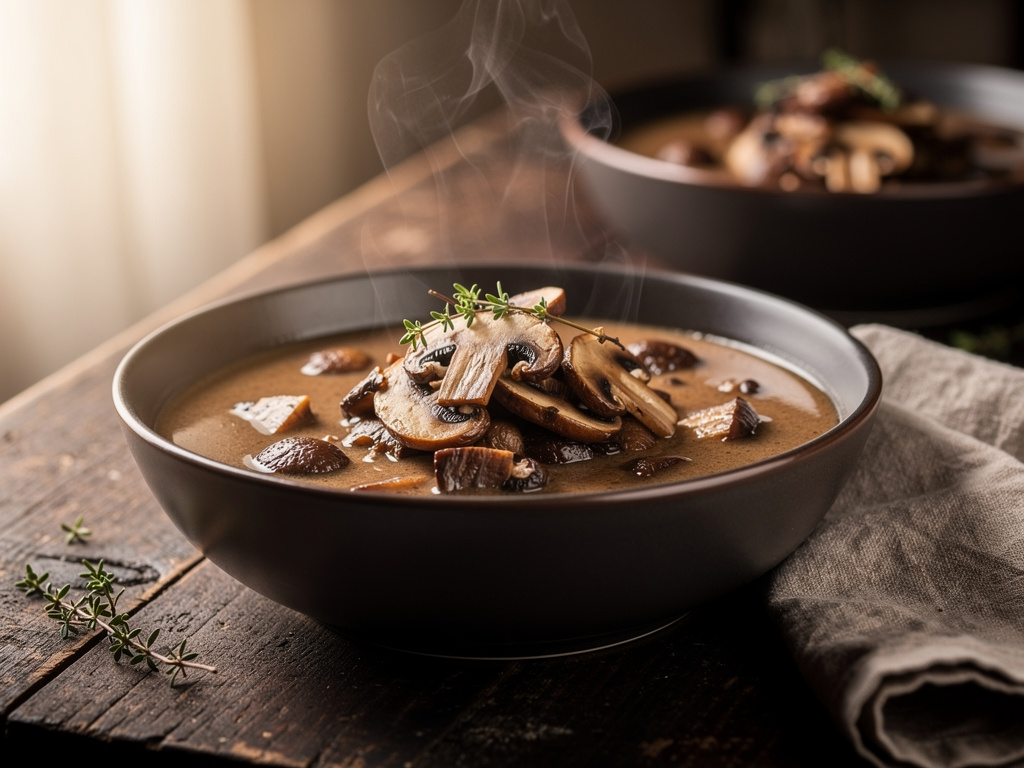
The first spoonful of authentic hot and sour mushroom soup is nothing short of electrifying—a perfect symphony of tangy rice vinegar, warming white pepper, and earthy mushrooms that creates an almost addictive balance of flavors. This isn't just another soup recipe; it's a masterclass in Chinese culinary philosophy, where contrasting elements unite to create something greater than the sum of their parts. The silky ribbons of beaten egg threading through the rich broth, punctuated by tender shiitake and distinctive wood ear mushrooms, deliver a textural experience that's both comforting and invigorating.
Hot and sour soup, or "suanla tang" in Mandarin, represents one of China's most beloved comfort foods, with roots tracing back to the Sichuan province where bold flavors reign supreme. While many restaurant versions rely heavily on cornstarch to achieve thickness, this recipe strikes the perfect balance between body and elegance. The combination of firm tofu strips and bamboo shoots provides substance without overwhelming the delicate interplay of sour and spicy elements that define this classic dish. What makes this particular version special is its focus on mushroom variety—using both shiitake for their meaty umami depth and wood ear mushrooms for their unique gelatinous texture that's prized in Chinese cuisine.
The Art of Balancing Sour and Spicy Elements
The magic of hot and sour soup lies in achieving the perfect equilibrium between its two defining characteristics. Rice vinegar provides the "sour" component with its clean, sharp acidity that's less harsh than Western vinegars, while white pepper delivers the "hot" element with its distinctive pungent warmth that's quite different from black pepper or chili heat. The key is understanding that these flavors should dance together, not compete—the vinegar brightens the rich broth and cuts through the earthiness of the mushrooms, while the white pepper adds depth and warmth that lingers pleasantly on the palate. Adding the chili paste or sriracha provides an additional layer of heat that complements rather than overwhelms the white pepper's unique character.
Key Ingredients & What Makes Them Special
Wood ear mushrooms are the unsung heroes of this soup, offering a distinctive gelatinous texture that might seem unusual to Western palates but provides an essential textural contrast that's fundamental to authentic Chinese cuisine. These dark, ear-shaped fungi absorb flavors beautifully while maintaining their characteristic "bounce." When paired with shiitake mushrooms, which contribute deep umami notes and a more familiar meaty texture, the combination creates layers of mushroom complexity that elevate this soup far beyond simple vegetable broth.
The cornstarch slurry technique used here is crucial for achieving the proper consistency—not too thick like gravy, but substantial enough to coat the spoon lightly. This thickening method also helps the beaten eggs form those characteristic silky ribbons when drizzled into the hot soup. The eggs should be added slowly while stirring to create delicate, thread-like strands rather than chunky scrambled pieces, contributing both protein and visual appeal to the finished dish.
Pro Tips for the Best Results
- Soak dried mushrooms properly: If using dried wood ear mushrooms, soak them in warm water for at least 30 minutes until fully rehydrated, then trim any tough stems before slicing
- Control the egg ribbons: Slowly drizzle beaten eggs into the soup while stirring in one direction with chopsticks or a fork to create thin, elegant strands
- Taste and adjust gradually: Add rice vinegar and white pepper incrementally, tasting as you go—the balance should be bold but not overpowering
- Don't overcook the tofu: Add firm tofu strips in the last few minutes of cooking to maintain their shape and prevent them from becoming mushy
- Serve immediately: This soup is best enjoyed fresh and hot, as the cornstarch thickening can continue to develop if left sitting
Variations & Substitutions
For vegetarian versions, substitute vegetable broth for chicken broth and ensure your chili paste doesn't contain fish sauce. Firm silken tofu can replace regular firm tofu for a more delicate texture, though it requires gentler handling. If wood ear mushrooms aren't available, substitute with additional shiitake or try oyster mushrooms for a different but equally delicious variation. Those sensitive to spice can reduce the white pepper and chili paste, though some heat is essential to the dish's character. For a protein boost, thin strips of cooked chicken or pork can be added along with the tofu.
Serving Suggestions
Hot and sour mushroom soup shines as a starter for Chinese meals, particularly before rich dishes like Peking duck or sweet and sour pork. It also makes an excellent light lunch paired with steamed dumplings or scallion pancakes. The soup's bold flavors make it an ideal choice for cold weather dining or when you're feeling under the weather—the warming spices and tangy elements can be wonderfully restorative. Consider serving alongside jasmine rice for a more substantial meal, or offer it as part of a larger soup course with wontons or other Chinese appetizers.
Storage & Make-Ahead Tips
While hot and sour soup is best enjoyed fresh, the base can be prepared ahead without the eggs and final cornstarch thickening. Store the mushroom and tofu broth mixture in the refrigerator for up to two days, then reheat gently and add the cornstarch slurry and beaten eggs just before serving. The soup will keep for up to three days refrigerated, though you may need to thin it slightly with additional broth upon reheating as the cornstarch continues to thicken. Freezing isn't recommended as the tofu texture changes significantly when frozen and thawed, and the delicate egg ribbons won't maintain their appealing texture.
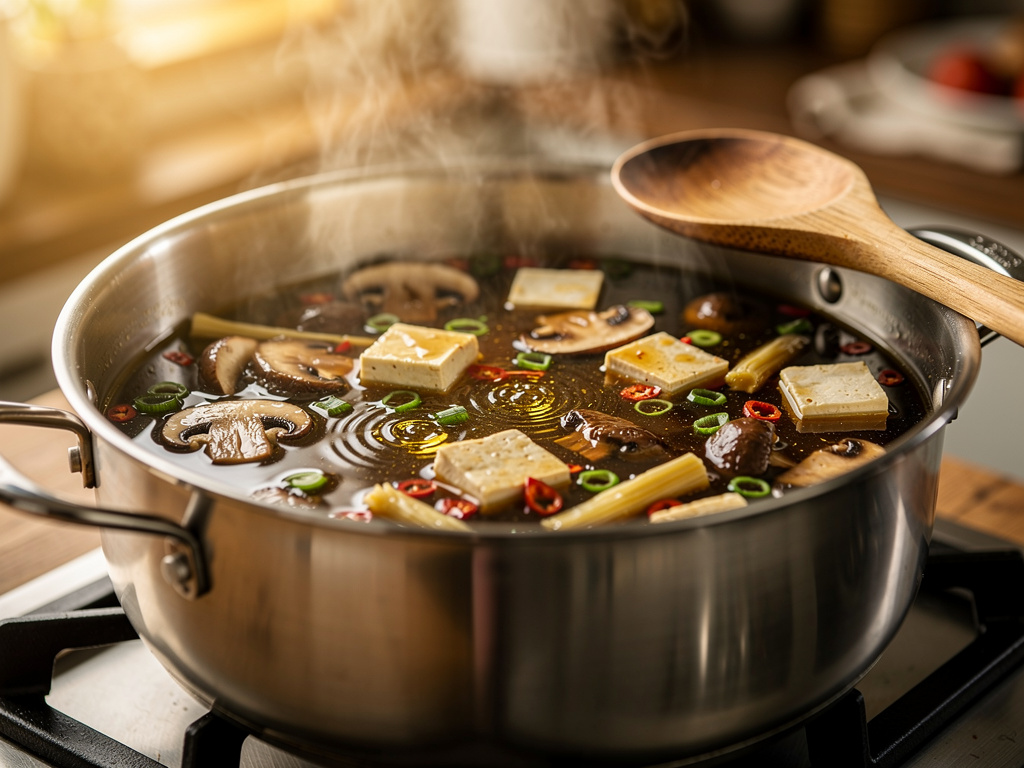
Hot and Sour Mushroom Soup
A tangy, spicy Chinese classic loaded with mushrooms. Bold flavors that wake up your taste buds.
Nutrition per serving
Ingredients
Instructions
- . Simmer broth with mushrooms.
- . Add soy sauce, vinegar, and chili.
- . Thicken with cornstarch. Add egg ribbons.
- . Serve with green onions.
Recipe Notes
- More sour: Add extra vinegar to taste.
- More heat: Add white pepper or more chili.
- Vegan: Skip eggs, use vegetable broth.
- Storage: Refrigerate 3 days. Egg ribbons soften over time.
More Mushroom Soups Recipes
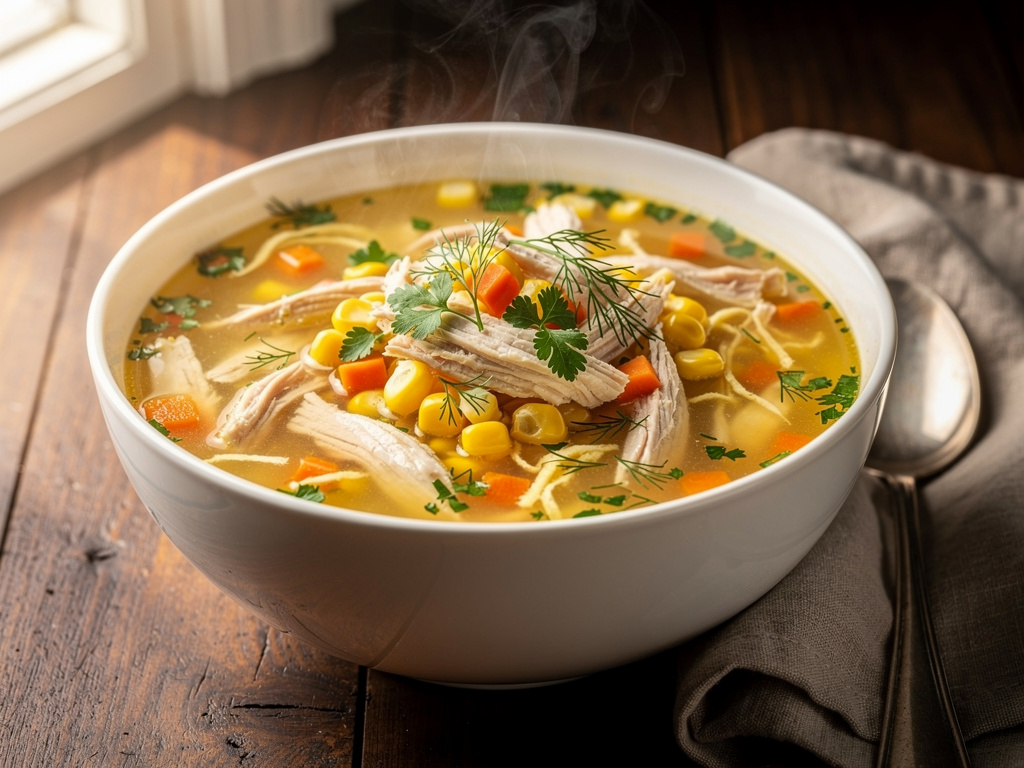
Chinese Chicken Corn Soup
A silky, comforting Chinese soup featuring egg ribbons, sweet corn, and tender chicken. Restaurant-s...
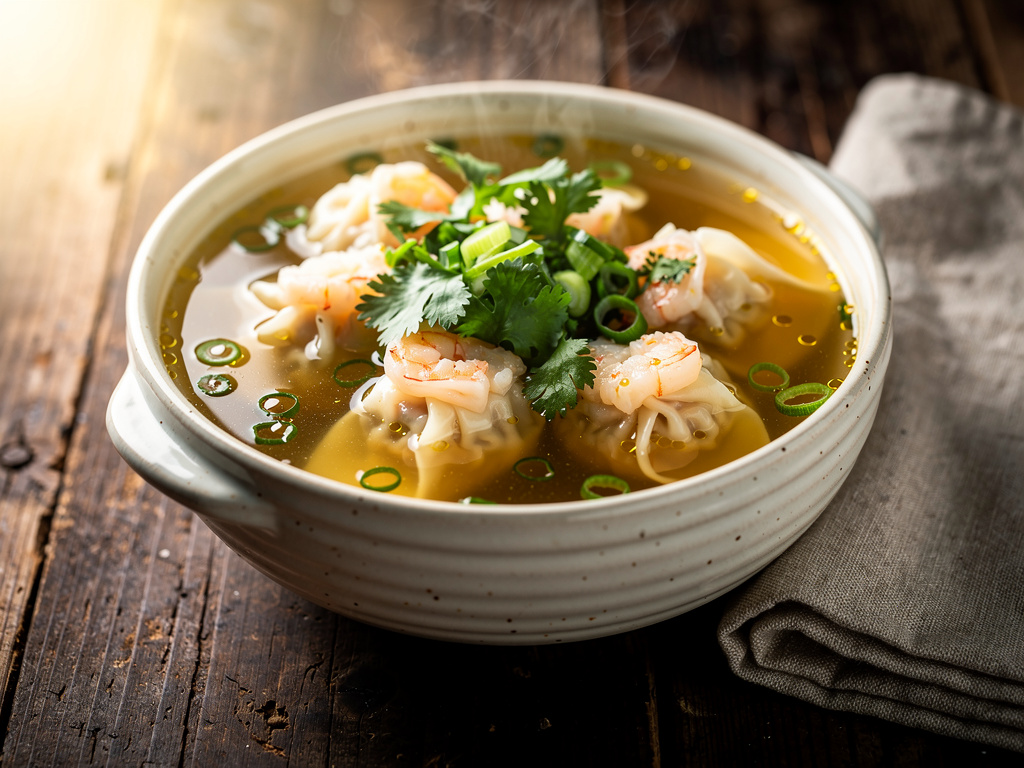
Prawn and Wonton Soup
Quick restaurant-quality Chinese soup with plump wontons, succulent prawns, Chinese BBQ pork, shiita...
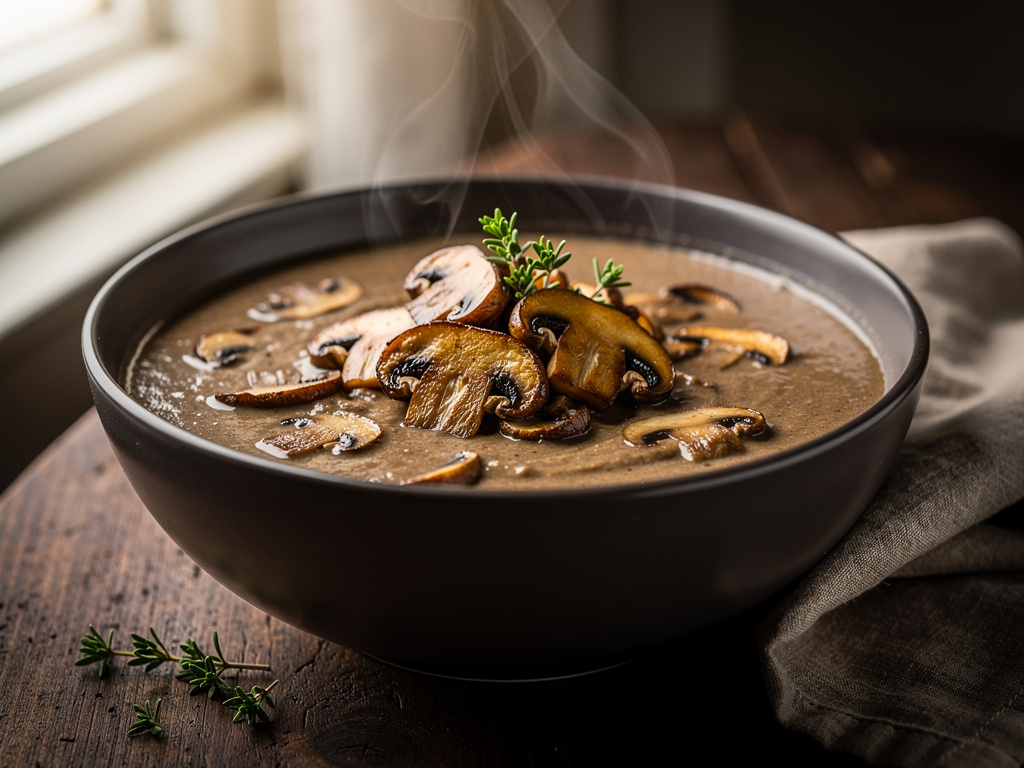
Instant Pot Mushroom Soup
Rich, creamy mushroom soup made fast in your pressure cooker. Weeknight comfort in minimal time....