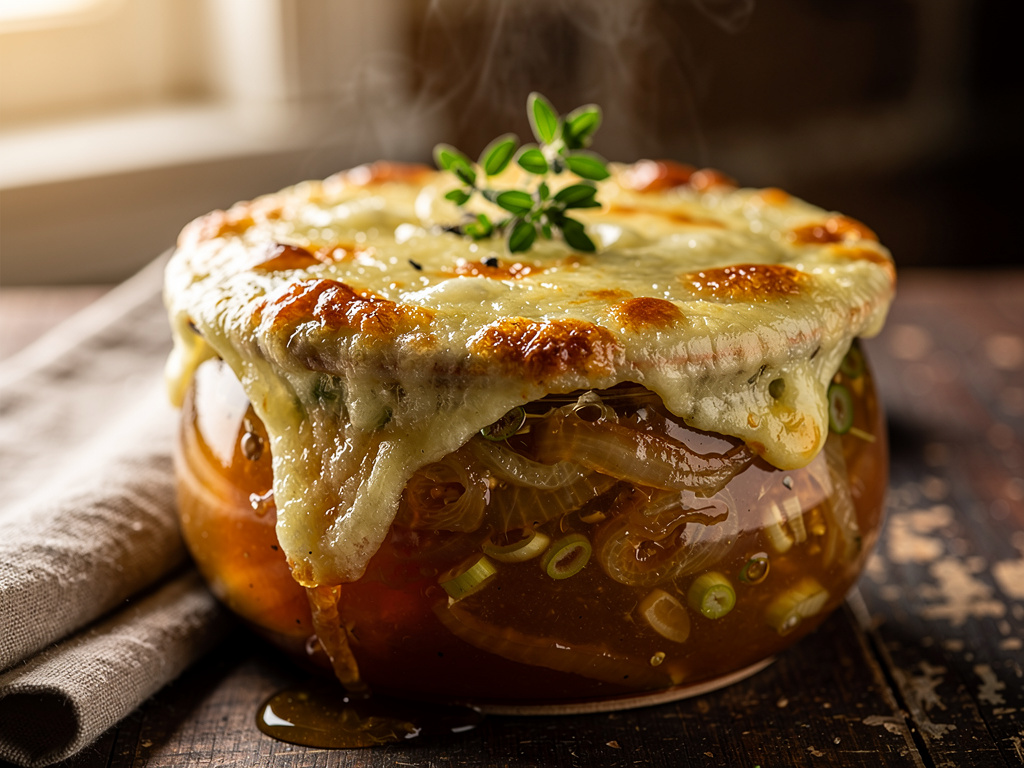
There's something magical about the moment when ordinary green onions transform from simple garnish to the star of the show. This vibrant Green Onion Soup captures that transformation beautifully, creating a bowl of liquid sunshine that's both comforting and surprisingly sophisticated. Unlike heavy, cream-laden soups that weigh you down, this Asian-fusion creation dances on your palate with its clean, bright flavors and aromatic complexity that builds with each spoonful.
While green onions have been celebrated in Asian cuisines for centuries, this particular soup represents a beautiful marriage of Eastern technique and Western comfort food sensibilities. The genius lies in treating both parts of the scallion—the mild white bulbs and the grassy green tops—as distinct ingredients with their own unique contributions. This approach reflects the Asian culinary philosophy of using every part of an ingredient while creating layers of flavor that reveal themselves gradually as you eat.
The Art of Building Layers with Simple Ingredients
What makes this soup truly special is how it showcases the often-overlooked complexity of green onions. By separating the whites from the greens and cooking them at different stages, you're essentially creating two different vegetables from one. The white portions become sweet and mellow when sautéed with butter, developing an almost onion-like depth, while the green tops maintain their fresh, sharp bite when added at the end. This technique creates a beautiful flavor progression that keeps each spoonful interesting and prevents the soup from becoming one-dimensional.
Key Ingredients & What Makes Them Special
The three bunches of green onions are obviously the star here, but their treatment is what makes them shine. Fresh scallions contain compounds that break down differently depending on heat exposure—the whites develop sweetness through gentle cooking, while the greens lose their vibrant flavor if overcooked. This is why the separation technique is crucial for achieving the soup's signature bright-yet-mellow character.
The potato cubes serve a dual purpose that's often overlooked in soup making. Beyond adding substance, they release starch as they cook, naturally thickening the broth without cream or flour. This creates a silky mouthfeel that makes the soup feel more substantial while keeping it light. Choose a waxy potato variety for the best texture—they'll hold their shape while still contributing that subtle thickening effect.
Fresh ginger bridges the gap between the mild scallions and rich broth, adding warmth without heat. Its aromatic compounds are fat-soluble, which is why it's added during the butter-sautéing stage rather than later. This ensures the ginger's essence permeates the entire soup base rather than sitting on top as an afterthought.
Pro Tips for the Best Results
- Don't rush the white scallion stage - Let them cook slowly in butter until they're truly softened and slightly golden. This takes about 5-7 minutes and is where much of the soup's depth develops.
- Reserve the darkest green parts separately - The very tips of the scallion greens have the most intense flavor and work best as a final garnish rather than stirred into the soup.
- Taste your broth first - Since this soup relies heavily on the broth's quality, taste it before adding and adjust accordingly. A weak broth will need longer simmering time or additional seasoning.
- Add sesame oil off the heat - Sesame oil's delicate flavor compounds break down with high heat, so stir it in after removing the pot from the burner for maximum impact.
- Use white pepper instead of black - White pepper has a cleaner, more focused heat that won't muddy the soup's bright appearance or compete with the delicate flavors.
Variations & Substitutions
For a vegan version, swap the butter for a neutral oil with a touch of olive oil for richness, and use vegetable broth. The soup actually works beautifully this way, letting the scallions shine even more prominently. Coconut milk can be added in the last few minutes for a creamy variation that maintains the Asian flavor profile.
If scallions aren't available, leeks make an excellent substitute—use the white and light green parts only, and increase the cooking time slightly. For extra protein, silken tofu cubes or beaten eggs swirled in during the last minute of cooking create satisfying variations that maintain the soup's light character.
Serving Suggestions
This soup pairs beautifully with crispy rice crackers or sesame flatbread for textural contrast. For a complete meal, serve alongside Asian-style cucumber salad or steamed dumplings. The soup's clean flavors make it an ideal starter before rich main dishes like braised meats or complex stir-fries.
Consider garnishing with crispy fried shallots, chili oil, or fresh herbs like cilantro to customize each bowl. A squeeze of fresh lime juice just before eating adds brightness that complements the ginger beautifully.
Storage & Make-Ahead Tips
This soup keeps well in the refrigerator for up to three days, though the bright green color will fade slightly. The flavors actually improve overnight as they meld together. When reheating, do so gently and add fresh scallion greens and a new drizzle of sesame oil to refresh the flavors.
For meal prep, you can make the base up to the point of adding the green scallion parts, then finish with fresh greens when serving. The soup freezes adequately for up to two months, though the potato texture may change slightly. Thaw overnight in the refrigerator and reheat gently, adjusting seasoning as needed.
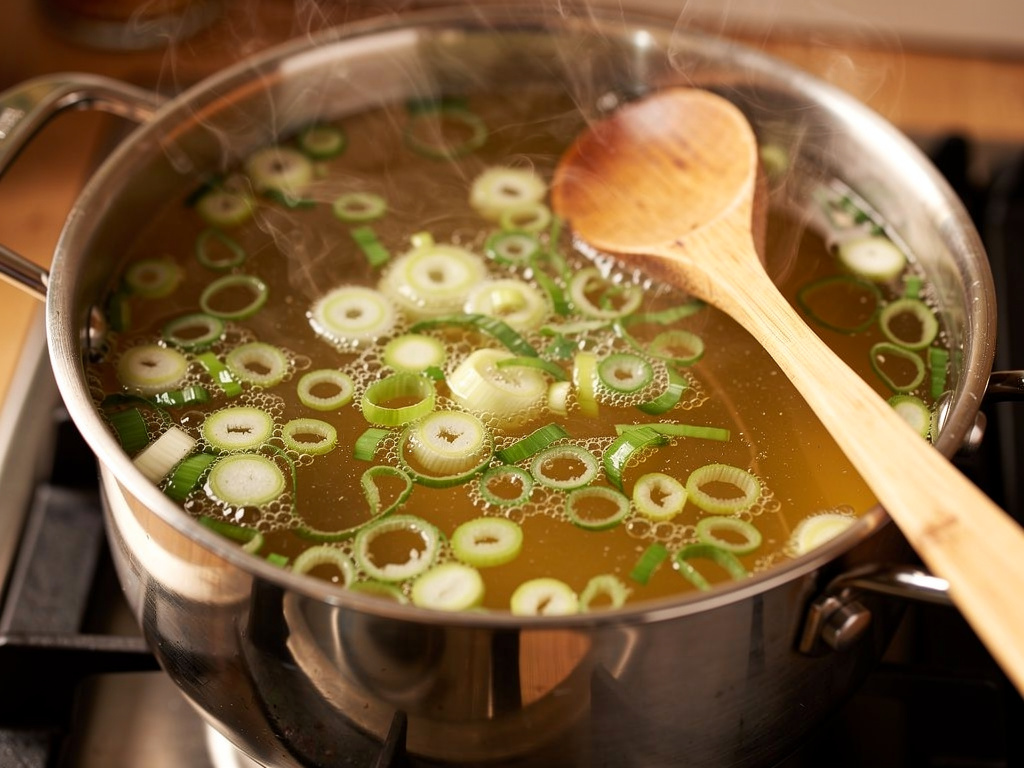
Green Onion Soup
A fresh, light soup featuring vibrant scallions and spring vegetables. Bright and refreshing.
Nutrition per serving
Ingredients
Instructions
- . Reserve green tops for garnish.
- . Cook whites with potato.
- . Add broth and simmer.
- . Blend. Garnish with green tops.
Recipe Notes
- More body: Add another potato.
- Asian style: Use chicken broth, add soy sauce.
- Spicy: Add chili oil or red pepper flakes.
- Storage: Refrigerate 3 days. Best fresh.
More Onion Soups Recipes
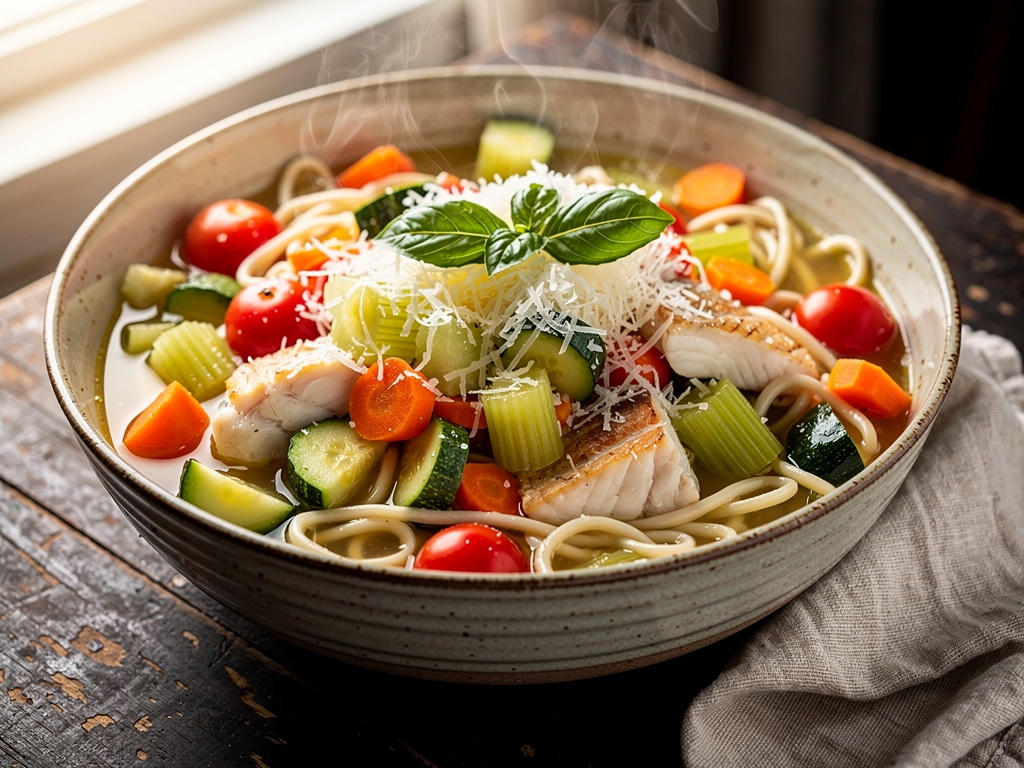
Fish and Vegetable Soup with Glass Noodles
Light and healthy soup with tender white fish, crisp vegetables, and delicate mung bean noodles in a...
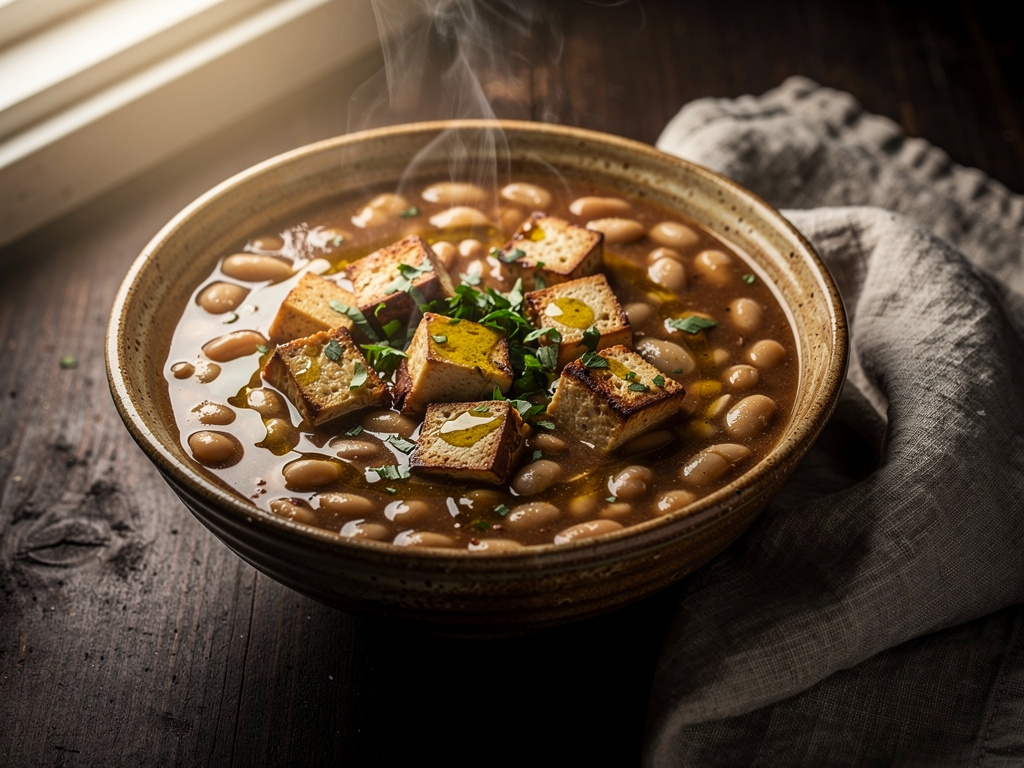
White Bean Soup with Tofu
A protein-packed vegan soup featuring creamy white beans and silken tofu in a savory broth with Asia...
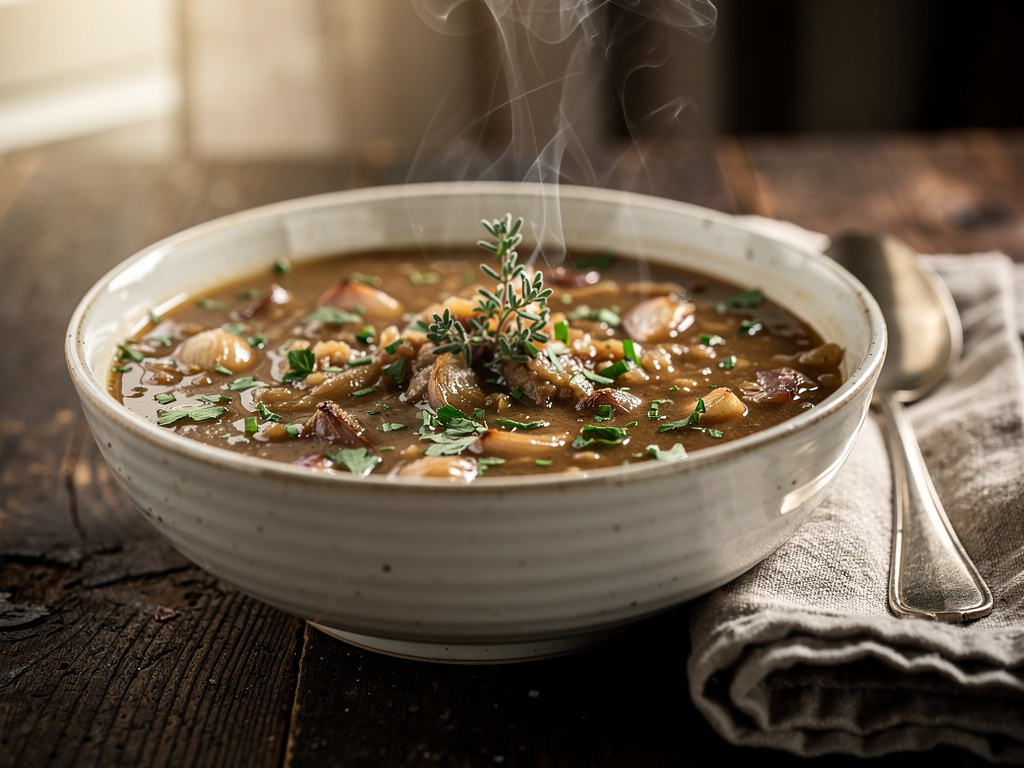
Shallot Soup
A refined, gourmet soup featuring delicate sweet shallots. French sophistication....