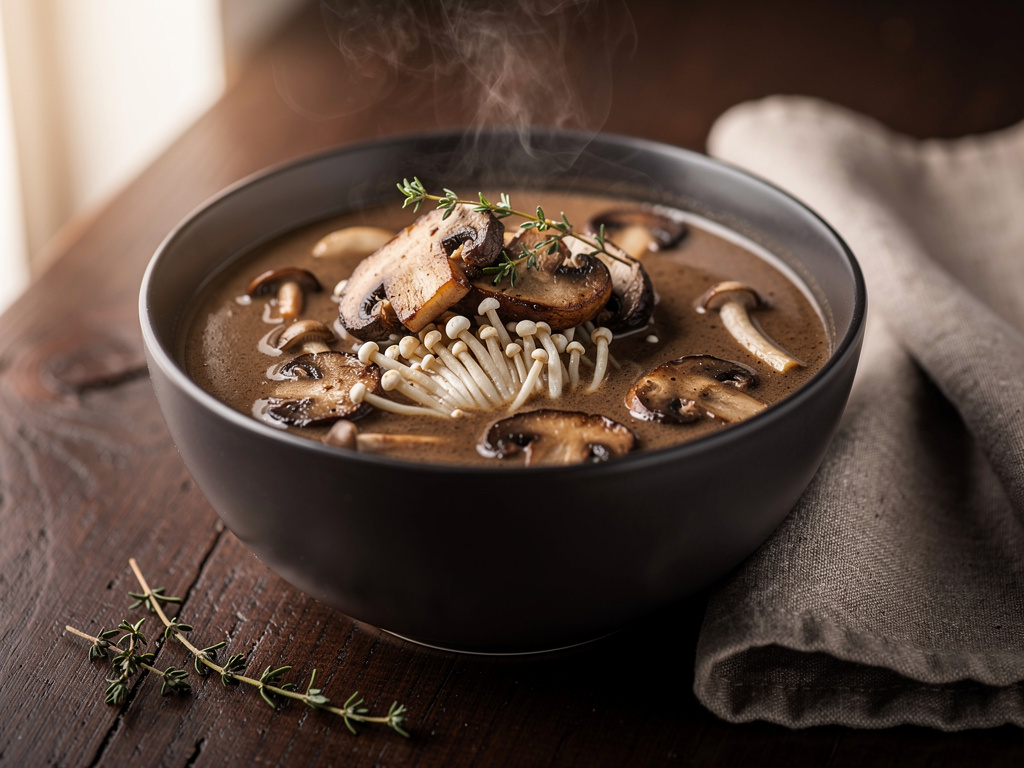
There's something almost magical about watching delicate enoki mushrooms bloom like tiny white flowers in a steaming bowl of golden broth. This elegant Japanese enoki mushroom soup embodies the essence of washoku – the harmonious balance of flavors, textures, and visual beauty that defines authentic Japanese cuisine. With their silky threads and subtle earthy flavor, enoki mushrooms transform a simple dashi broth into a sophisticated soup that's both deeply satisfying and surprisingly light.
In Japan, this type of clear soup, known as suimono, represents the pinnacle of culinary restraint and refinement. Unlike hearty Western soups that aim to fill and comfort, enoki mushroom soup celebrates the art of subtlety. Each ingredient serves a precise purpose: the umami-rich dashi provides depth, the silken tofu adds creamy contrast, and the beaten egg creates those beautiful, wispy clouds that dance through the broth. This isn't just a recipe – it's an edible meditation on the beauty of simplicity.
The Art of Gentle Heat and Perfect Timing
The secret to exceptional enoki mushroom soup lies in understanding that less is truly more. These delicate fungi require only the briefest cooking time – just 2-3 minutes in the simmering broth. Overcook them, and you'll lose their signature crisp-tender texture and clean, mild flavor. The key is adding the enoki mushrooms near the end of cooking, allowing them to warm through and soften slightly while maintaining their structural integrity. This gentle approach also prevents the mushrooms from releasing too much moisture, which could dilute your carefully balanced broth.
Key Ingredients & What Makes Them Special
Enoki mushrooms are the true stars of this soup, and their unique characteristics make them irreplaceable. These slender, white mushrooms grow in tight clusters and offer a delicate crunch that's completely different from their meaty shiitake cousins. When shopping for enoki, look for firm, white stems with small, tightly closed caps – avoid any that appear slimy or have darkened tips. Their subtle flavor won't compete with the dashi, instead adding textural interest and visual elegance.
Dashi forms the soul of this soup, providing that essential fifth taste – umami – that makes Japanese cuisine so deeply satisfying. While you can use quality vegetable broth as a substitute, authentic dashi made from kombu seaweed and bonito flakes creates an incomparable depth of flavor. The combination of soy sauce and mirin balances the dashi perfectly, with the mirin's subtle sweetness rounding out the saltiness and adding a gentle complexity that elevates the entire dish.
Silken tofu brings a creamy, almost custard-like texture that contrasts beautifully with the firm enoki mushrooms. Unlike firm tofu, silken tofu practically melts on your tongue, creating pockets of richness throughout the light broth. Handle it gently when cubing – its delicate structure can break apart easily, though a few irregular pieces actually add to the soup's rustic charm.
Pro Tips for the Best Results
- Trim enoki mushrooms properly: Cut off the bottom inch of the root cluster, then gently separate the stems with your fingers rather than cutting – this preserves their natural, graceful appearance
- Create perfect egg ribbons: Pour the beaten egg in a thin, steady stream while gently stirring the soup in one direction – this creates those beautiful, silky egg flowers that are the hallmark of restaurant-quality soup
- Temperature control is crucial: Keep the soup at a gentle simmer, never a rolling boil, to prevent the tofu from breaking apart and the egg from becoming tough and stringy
- Season gradually: Start with less soy sauce than you think you need – you can always add more, but dashi-based soups should taste clean and balanced, not salty
- Finish with aromatics: Add the sesame oil and green onions just before serving to preserve their bright flavors and aromatic impact
Variations & Substitutions
For vegetarians, replace dashi with a high-quality mushroom or kombu broth, and add a splash of rice vinegar for extra complexity. Those avoiding soy can substitute tamari or coconut aminos, though the flavor profile will shift slightly. If enoki mushrooms are unavailable, shiitake caps sliced paper-thin make an elegant substitute, though cooking time should be increased to 4-5 minutes.
For a heartier version, add thin rice noodles or silken udon during the last few minutes of cooking. A few drops of chili oil can provide gentle heat for those who prefer more intensity, while a sprinkle of nori flakes adds extra umami depth and visual appeal.
Serving Suggestions
This elegant soup shines as a starter for Japanese meals, particularly before sushi, tempura, or grilled fish dishes. Its light, clean flavors prepare the palate beautifully for more complex dishes to follow. Serve in warmed bowls with traditional wooden spoons if you have them, as the ritual of proper presentation enhances the entire experience.
The soup also makes a perfect light lunch paired with onigiri (rice balls) or a simple cucumber salad dressed with rice vinegar. For dinner, consider it alongside miso-glazed salmon or chicken teriyaki – the soup's subtle flavors won't compete with these richer main courses.
Storage & Make-Ahead Tips
While this soup is best enjoyed immediately after preparation, you can prepare the dashi base up to two days in advance and store it refrigerated. When ready to serve, gently reheat the seasoned broth, then add the tofu and enoki mushrooms fresh. Avoid storing the complete soup, as the mushrooms will become soggy and lose their appealing texture.
For meal prep, portion the trimmed enoki mushrooms and cubed tofu into containers, keeping them refrigerated for up to two days. This allows you to assemble the soup quickly for a nourishing meal in under 10 minutes – perfect for busy weeknight dinners when you crave something light yet satisfying.

Enoki Mushroom Soup
A light, elegant Asian-style soup featuring delicate enoki mushrooms. Clean flavors and beautiful presentation.
Nutrition per serving
Ingredients
Instructions
- . Heat broth with soy sauce and mirin.
- . Add tofu and simmer.
- . Add enoki and cook briefly.
- . Drizzle egg. Garnish with green onion.
Recipe Notes
- Dashi: Use instant dashi powder for convenience.
- Vegan: Skip the egg, add more tofu.
- Add protein: Include cooked chicken or shrimp.
- Best fresh: Enoki loses texture when stored.
More Mushroom Soups Recipes
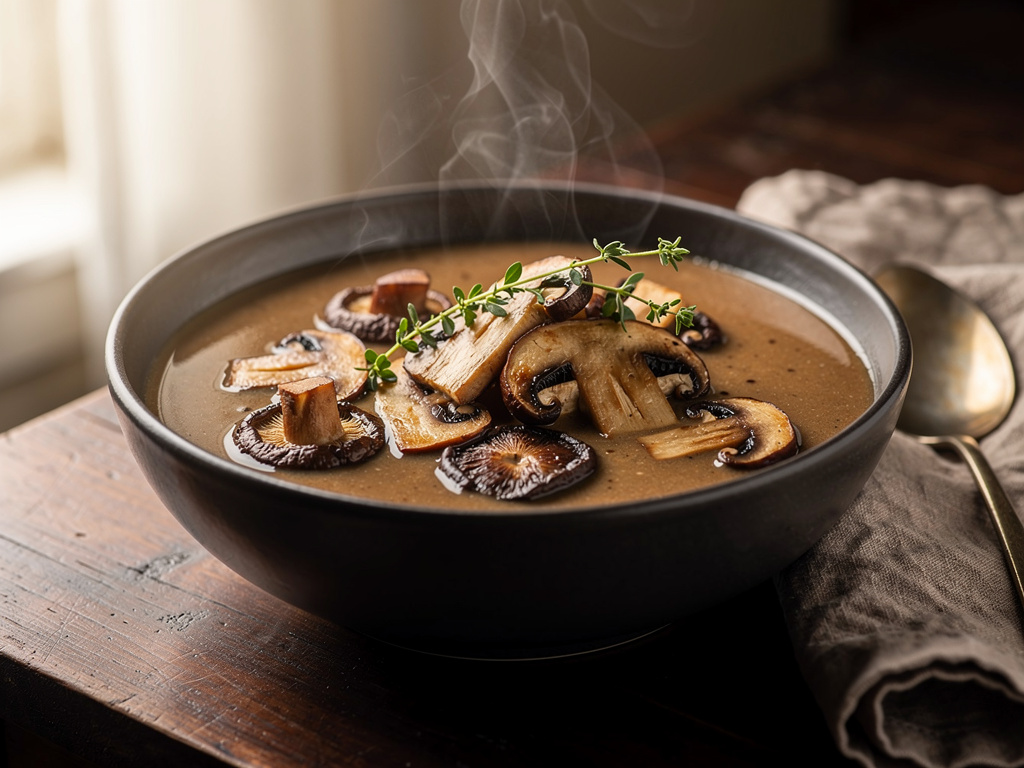
Miso Mushroom Soup
A warming Japanese-inspired soup featuring umami-rich miso and tender mushrooms. Healthy comfort foo...

Fish and Ramen Noodle Soup
Light Japanese-inspired soup with tender white fish, ramen noodles, fresh ginger, and a savory soy b...
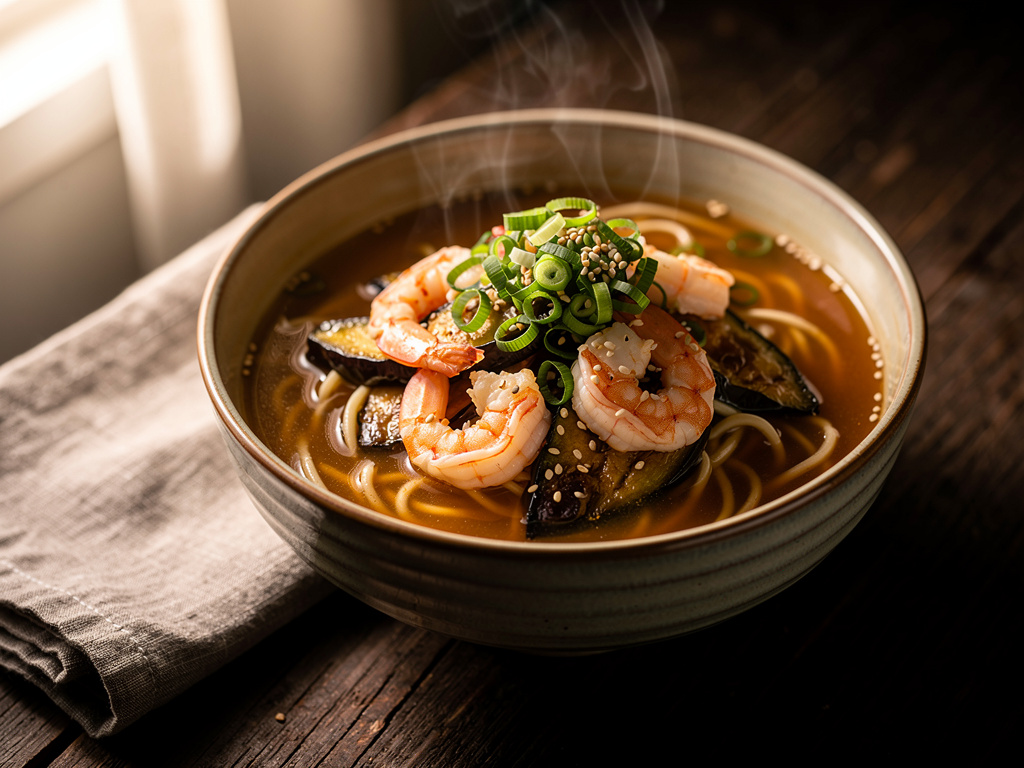
Miso Soup with Prawns and Eggplant
Quick, umami-rich Japanese miso soup with silky eggplant, succulent prawns, and fresh Asian greens. ...