
There's something magical about the way aged Gouda melts into warm broth, creating silken ribbons of golden comfort that embody centuries of Dutch culinary tradition. This Dutch cheese soup isn't just another bowl of melted cheese—it's a masterclass in balance, where the sharp complexity of aged Gouda meets the gentle warmth of nutmeg and white pepper, creating a symphony of flavors that transforms simple ingredients into liquid gold.
Born in the cozy kitchens of the Netherlands, this kaassoep represents the heart of Dutch comfort cooking, where resourceful home cooks elevated humble ingredients into something extraordinary. Unlike heavy, flour-laden cheese soups from other traditions, this Dutch version celebrates the pure, unadulterated flavor of aged Gouda, allowing its crystalline texture and deep, nutty notes to shine through a delicate cream base that's been perfected over generations.
Why Aged Gouda Makes All the Difference
The secret to this soup's extraordinary depth lies in using properly aged Gouda—not the mild, young cheese found in most supermarket delis. Aged Gouda, with its characteristic amber color and delightful crunch from calcium lactate crystals, brings a complexity that younger cheeses simply cannot match. As Gouda ages beyond 18 months, it develops concentrated flavors reminiscent of butterscotch and toasted nuts, while maintaining the perfect melting properties essential for this soup. The aging process also reduces moisture content, preventing the dreaded graininess that plagues many cheese soups made with inferior ingredients.
Key Ingredients & What Makes Them Special
The triumvirate of leeks, onions, and garlic forms the aromatic foundation that elevates this soup beyond simple melted cheese. Leeks, with their mild, sweet flavor, provide a gentler onion note that won't compete with the Gouda's complexity. The slow sautéing process—a full eight minutes—allows these aromatics to caramelize slightly, developing natural sugars that complement the cheese's nutty characteristics. Freshly grated nutmeg is non-negotiable here; pre-ground nutmeg lacks the volatile oils that provide that distinctive warm, slightly sweet spice that's become synonymous with Dutch cooking. White pepper, rather than black, maintains the soup's elegant appearance while delivering a clean heat that doesn't muddy the Gouda's pristine flavor profile. The choice between chicken and vegetable broth significantly impacts the final result—chicken broth adds richness and depth, while vegetable broth allows the cheese to remain the undisputed star.
Pro Tips for the Best Results
- Temperature control is crucial—once you add the Gouda, keep the heat low to prevent the proteins from seizing and creating a grainy texture. The cheese should melt slowly and smoothly into the base.
- Shred your own Gouda rather than buying pre-shredded cheese, which contains anti-caking agents that interfere with smooth melting and can create an unpleasant texture.
- Add cheese gradually in small handfuls, whisking constantly to ensure each addition is fully incorporated before adding more. This prevents clumping and ensures the silkiest possible texture.
- Don't skip the flour roux—cooking the flour with the aromatics for two full minutes eliminates any raw flour taste and helps stabilize the soup, preventing separation when the cheese is added.
- Taste and adjust seasoning only after all the cheese has been incorporated, as aged Gouda contributes significant saltiness that can vary between producers and aging periods.
Variations & Substitutions
While aged Gouda is traditional, you can experiment with other aged Dutch cheeses like Edam or even a combination of Gouda and aged Cheddar for complexity. For a lighter version, substitute half-and-half for heavy cream, though you'll sacrifice some richness. Vegetarians can confidently use vegetable broth without compromising flavor—choose a robust variety with mushroom or roasted vegetable notes. Those avoiding dairy can attempt this soup using cashew cream and nutritional yeast, though the result will be decidedly different from the traditional version. For added texture, consider stirring in crispy bacon bits or caramelized onions just before serving.
Serving Suggestions
This velvety soup pairs beautifully with crusty Dutch bread or traditional pumpernickel, whose dense texture provides the perfect contrast to the smooth soup. A simple arugula salad with lemon vinaigrette cuts through the richness, while roasted Brussels sprouts or braised red cabbage echo traditional Dutch vegetable preparations. For wine pairing, choose a crisp Riesling or a light Pinot Noir that won't compete with the cheese's complexity. Consider serving in smaller portions as an elegant starter, or make it the centerpiece of a cozy dinner accompanied by apple slices and whole grain crackers.
Storage & Make-Ahead Tips
This soup stores well in the refrigerator for up to three days, though cheese soups can be temperamental when reheating. Warm gently over low heat, whisking frequently to maintain the smooth texture—never microwave, as this can cause irreversible separation. The soup can be made ahead through the broth and cream stage, then finished with cheese just before serving for optimal results. Freezing isn't recommended, as dairy-based soups tend to break when thawed. If you notice slight separation after storage, a few pulses with an immersion blender often restores the silky texture that makes this Dutch cheese soup so irresistible.

Dutch Cheese Soup
A traditional Dutch soup featuring aged Gouda cheese with nutmeg and white pepper. Rich and warming.
Nutrition per serving
Ingredients
Instructions
- . Melt butter. Sauté leeks and onion 8 minutes until soft. Add garlic, cook 1 minute.
- . Whisk in flour, cook 2 minutes. Add broth and cream. Simmer 12 minutes.
- . Reduce heat. Add Gouda gradually with nutmeg and pepper, stirring until melted.
- . Season and serve topped with chives.
Recipe Notes
- Gouda tip: Use young Gouda for smoother texture.
- Smoked version: Use smoked Gouda for deeper flavor.
- Traditional: Serve with roggebrood (Dutch rye bread).
- Storage: Refrigerate 3 days. Reheat very gently.
More Cheese Soups Recipes
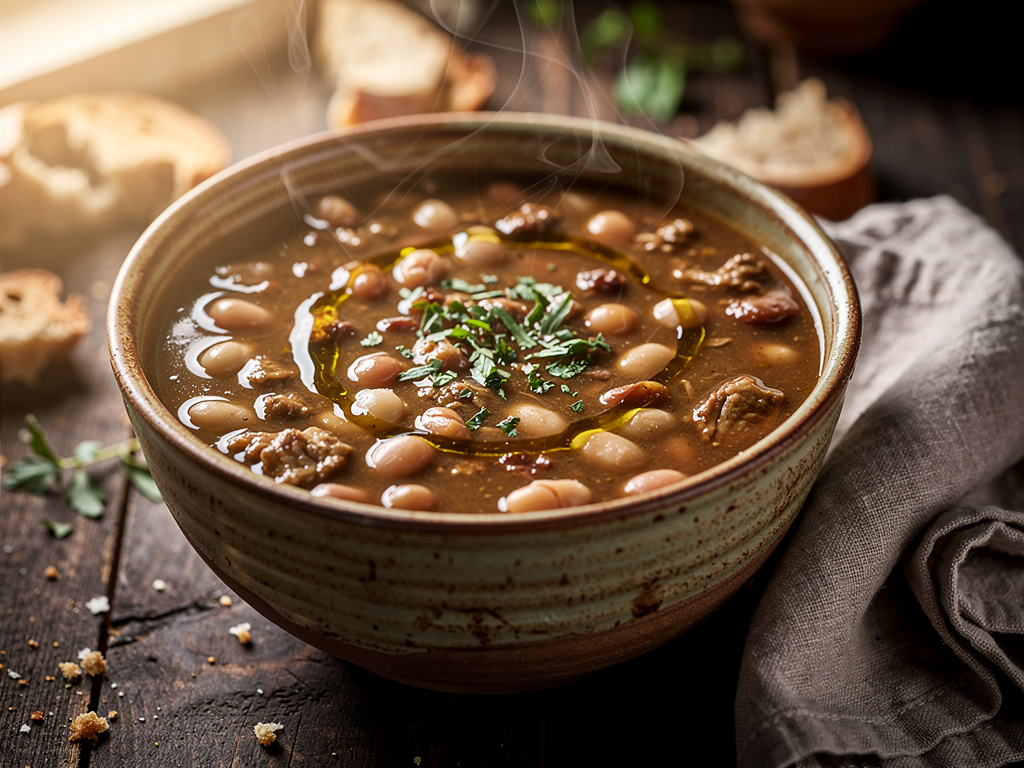
Dutch Bean Soup
Traditional Dutch brown bean soup (Bruine Bonensoep) with smoked sausage, bacon, and warm spices lik...

Blue Cheese Soup with Walnuts
A bold and sophisticated soup featuring tangy blue cheese balanced with toasted walnuts and a touch ...
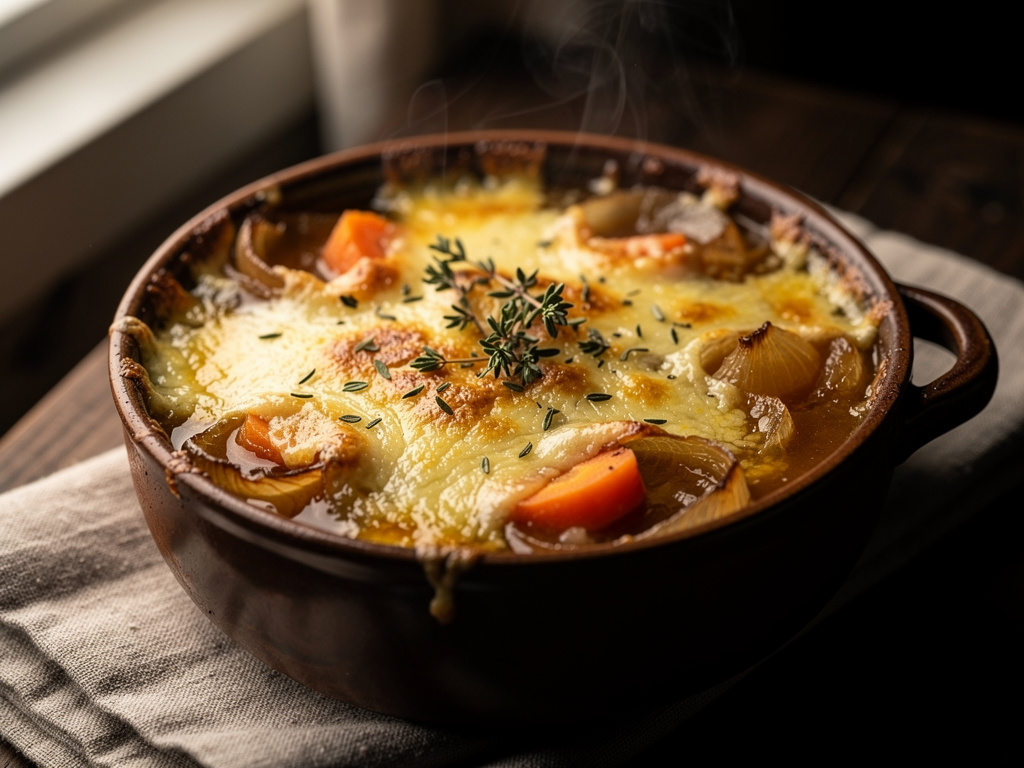
Cheese Soup with Carrot and Onion
A simple, comforting soup featuring sweet carrots, caramelized onions, and rich melted cheddar. Made...