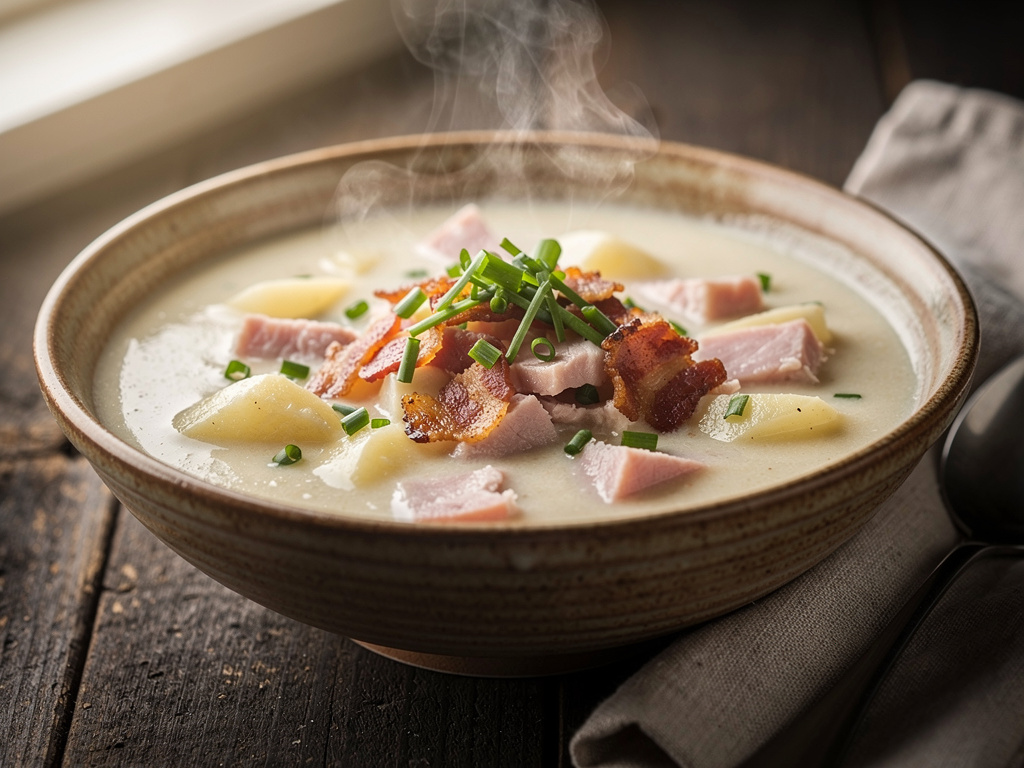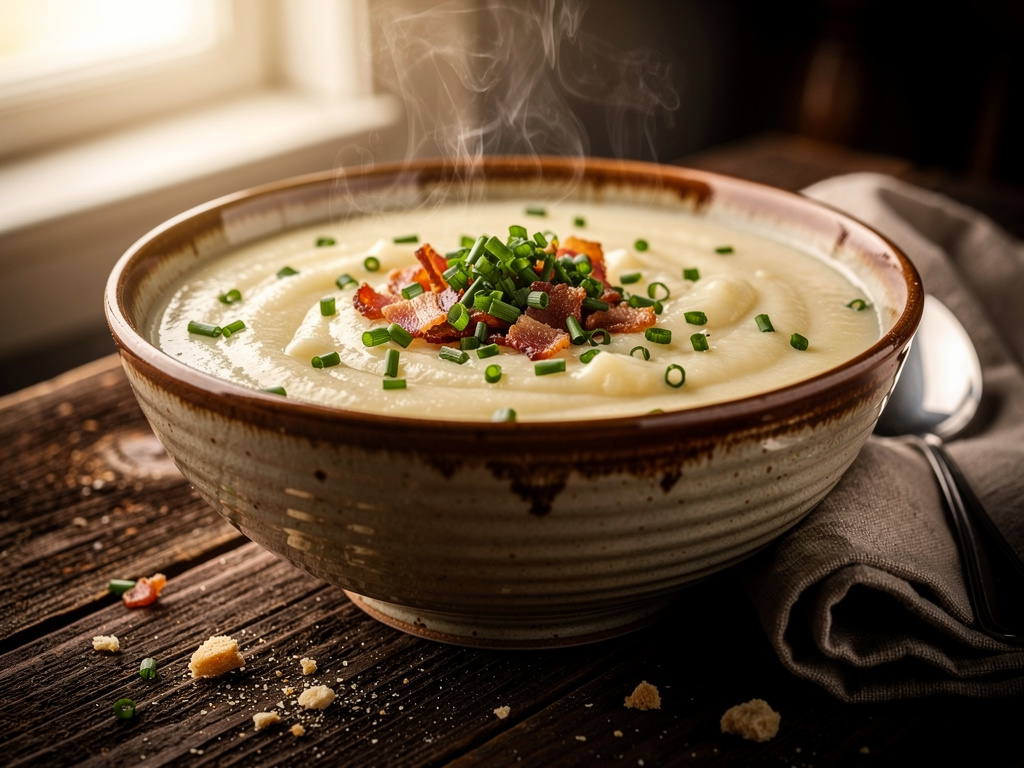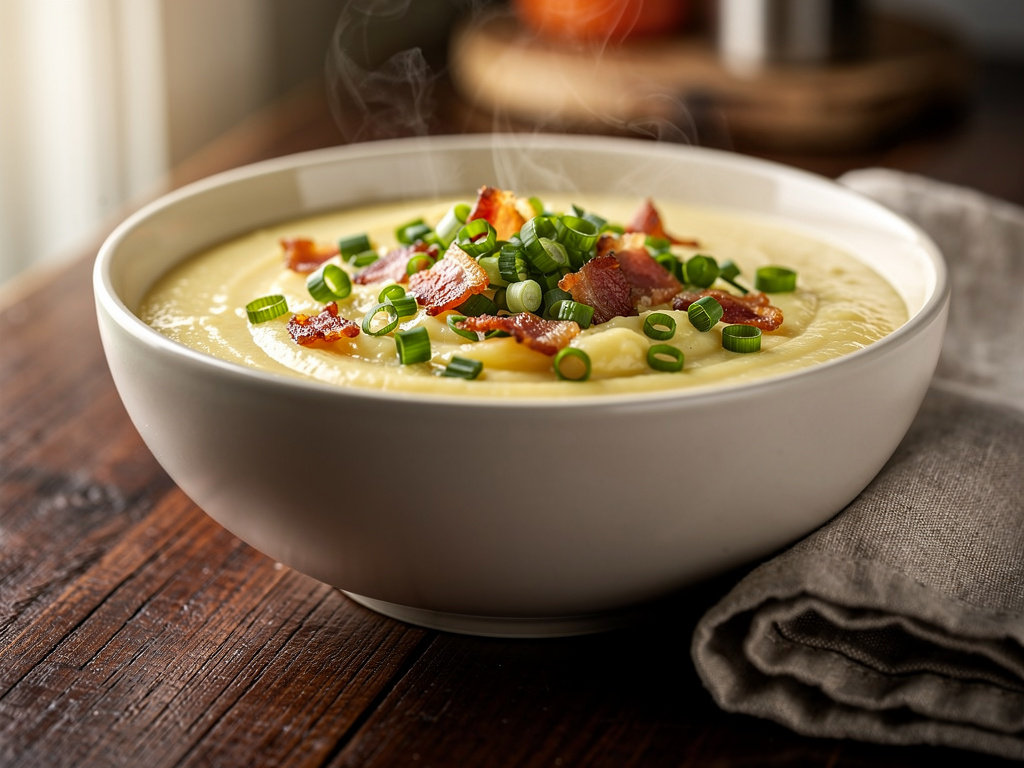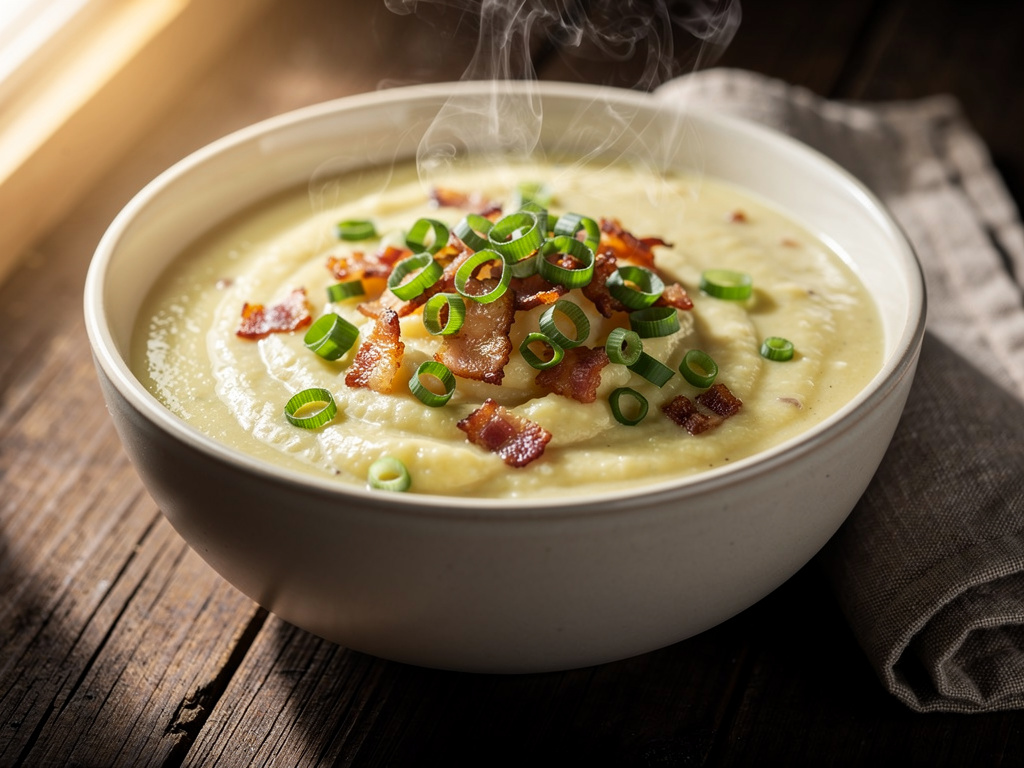
There's something magical that happens when curry powder meets creamy potatoes in a steaming bowl of soup. This curried potato soup transforms humble ingredients into a dish that's both comforting and exotic, delivering warmth that spreads from your first spoonful to your very core. The earthy sweetness of potatoes provides the perfect canvas for curry's complex blend of spices, while coconut milk adds a luxurious richness that makes every bite feel indulgent yet wholesome.
This soup draws inspiration from the beautiful marriage of Indian spicing techniques with European comfort food traditions. While potatoes aren't native to India, they've become deeply integrated into Indian cuisine since their introduction, appearing in everything from aloo gobi to samosas. This recipe celebrates that cultural fusion, taking the familiar comfort of potato soup and elevating it with the aromatic complexity of curry powder and the tropical richness of coconut milk—creating a dish that feels both familiar and adventurous.
The Magic of Blooming Curry Powder
The secret to this soup's incredible depth of flavor lies in a technique called "blooming"—cooking the curry powder in oil for just one minute before adding other ingredients. This brief cooking process awakens the dormant flavors in the spices, transforming them from dusty powder into fragrant, oil-soluble compounds that permeate every drop of the soup. Those sixty seconds in the hot oil release essential oils from cumin, coriander, turmeric, and other spices in the curry blend, creating a aromatic foundation that raw spices simply cannot achieve. The difference is remarkable—bloomed curry powder delivers warm, complex flavors instead of the harsh, raw taste that can occur when spices aren't properly activated.
Key Ingredients & What Makes Them Special
The two pounds of potatoes in this recipe do far more than just provide substance—they're the soup's flavor-absorbing foundation and natural thickener. As the potatoes cook in the aromatic vegetable broth, they soak up the curry-infused liquid while breaking down to create the soup's signature creamy texture when pureed. Russet potatoes work beautifully here because their high starch content creates an incredibly smooth, velvety consistency without any cream or flour.
Coconut milk brings a subtle sweetness and luxurious mouthfeel that perfectly balances the warming spices. The fat content in coconut milk also helps carry the fat-soluble flavor compounds from the curry powder, ensuring each spoonful delivers maximum taste impact. Unlike dairy cream, coconut milk won't curdle when combined with acidic ingredients and adds its own delicate tropical note that complements rather than competes with the curry spices.
Fresh cilantro isn't just a garnish—it's the bright, herbaceous counterpoint that cuts through the soup's richness and adds a pop of color and freshness. The clean, citrusy notes in cilantro provide the perfect contrast to the warm, earthy curry flavors, creating a more balanced and complex eating experience.
Pro Tips for the Best Results
- Don't skip the oil-blooming step: Even if you're in a hurry, that one minute of cooking curry powder in oil is crucial for developing deep, complex flavors throughout the soup.
- Cut potatoes uniformly: Dice your potatoes into similar-sized pieces (about 1-inch chunks) to ensure even cooking and prevent some pieces from becoming mushy while others remain firm.
- Puree in batches: For the smoothest texture, blend the soup in smaller batches rather than trying to fit everything at once, and let it cool slightly before blending to avoid dangerous splattering.
- Add coconut milk off the heat: Stir in the coconut milk after removing the pot from heat to prevent curdling and maintain its silky texture.
- Taste and adjust: Curry powder blends vary significantly in heat and flavor intensity, so always taste your soup before serving and adjust seasoning accordingly.
Variations & Substitutions
For those following a lower-carb lifestyle, cauliflower can replace half the potatoes without sacrificing creaminess. Sweet potatoes create an interesting twist, adding natural sweetness that pairs beautifully with curry spices. If coconut milk isn't available, heavy cream or even cashew cream work well, though they'll create a different flavor profile. Heat lovers can add a minced jalapeño when blooming the curry powder, while those preferring milder flavors can reduce the curry powder to 1 tablespoon. For extra protein, consider stirring in cooked lentils, chickpeas, or shredded rotisserie chicken during the last few minutes of cooking.
Serving Suggestions
This soup pairs beautifully with warm naan bread or crusty sourdough for dipping. A dollop of plain Greek yogurt adds cooling contrast and extra protein, while a sprinkle of toasted coconut flakes or pumpkin seeds provides delightful textural contrast. For a complete meal, serve alongside a simple cucumber salad dressed with lime juice and mint, or pair with grilled cheese sandwiches made with sharp cheddar and whole grain bread. The soup also makes an elegant starter for Indian-inspired meals featuring dishes like tandoori chicken or vegetable biryani.
Storage & Make-Ahead Tips
This soup actually improves with time, as the flavors continue to meld and develop. Store refrigerated for up to five days or freeze for up to three months. When reheating, do so gently over medium-low heat, stirring frequently to prevent separation of the coconut milk. The soup may thicken considerably when chilled—simply thin with additional vegetable broth or water until you reach your desired consistency. For make-ahead convenience, you can prepare the entire soup except for adding the coconut milk and cilantro, then stir these in when reheating for the freshest flavor and optimal texture.
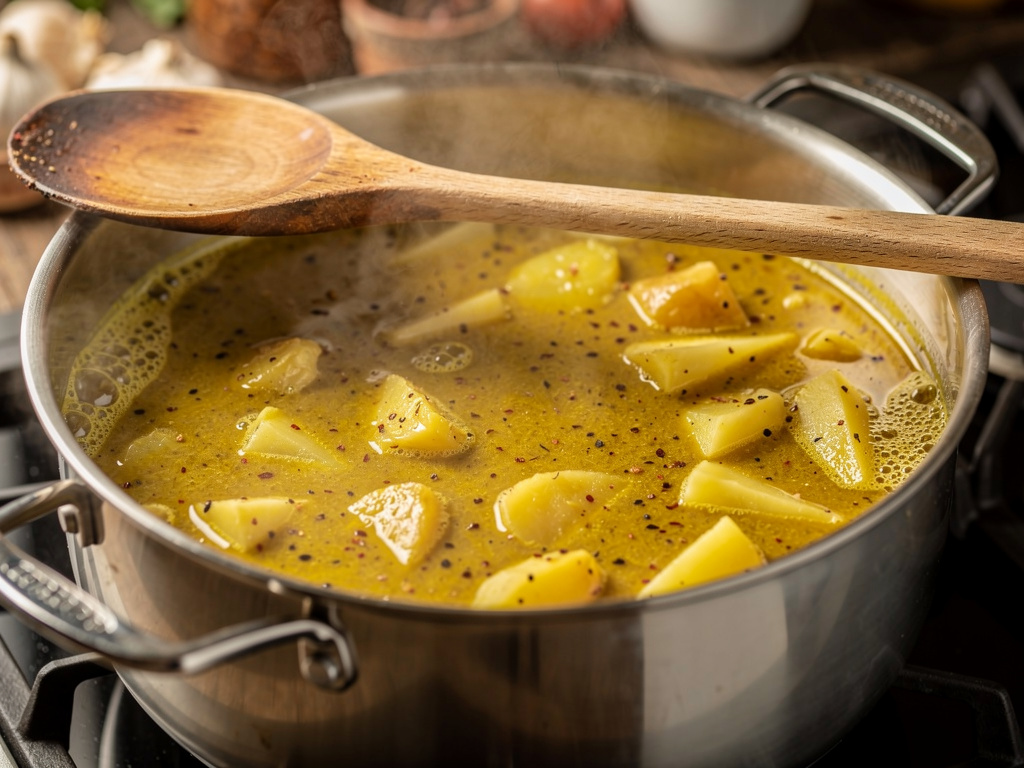
Curried Potato Soup
Nutrition per serving
Ingredients
Instructions
- .
- .
- .
- .